
Sweet basil is a beloved herb widely known for its aromatic flavor and vibrant green leaves, making it a staple in many culinary dishes. While the natural color of basil is typically green, some gardeners and chefs may want to enhance the color for aesthetic reasons or to create unique culinary experiences. This article explores different methods for darkening the hue of sweet basil, from environmental adjustments to natural dyes and food-safe colorants.
Understanding Basil’s Natural Color
Sweet basil, commonly known for its bright green leaves, derives its color from chlorophyll, which plays a vital role in photosynthesis. The natural shade of basil can vary slightly depending on the variety and growing conditions. However, many gardeners aim for a deeper, darker color to make their plants stand out or to achieve a specific look in their garden.
Basil’s color can be influenced by factors such as sunlight, soil quality, and the specific variety being grown. While there are ways to naturally promote a richer color, starting with the right basil variety is crucial.
Methods to Darken Sweet Basil
1. Selecting Darker Basil Varieties
Certain basil varieties naturally possess darker foliage, making them ideal for those looking to add a deep, rich color to their gardens or dishes. The most well-known variety in this category is the Purple Basil, which features deep purple to dark reddish leaves. Varieties like Dark Opal and Red Rubin are perfect choices for those who want to avoid artificial colorants and prefer to use plants that naturally display a darker hue.
These darker varieties are not only visually appealing but also offer a slightly different flavor profile, which may add an extra dimension to your culinary creations.
2. Soil and Environmental Adjustments
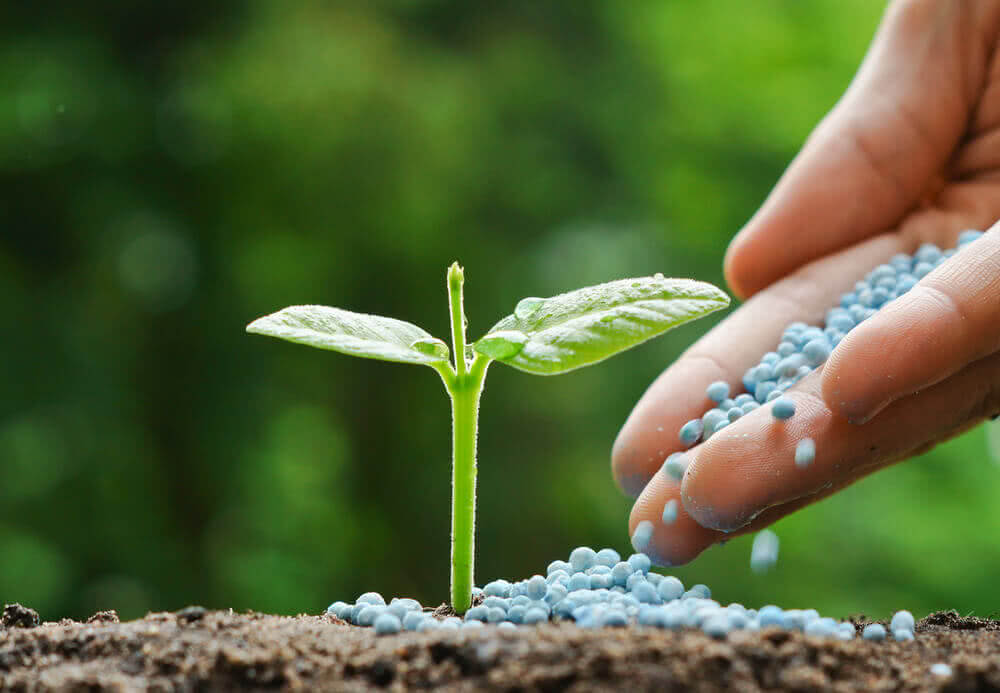
The environment plays a significant role in the color development of basil leaves. Basil thrives in nutrient-rich, slightly acidic soil, but tweaking the soil pH and nutrient levels can enhance the darkening of the leaves.
To achieve a darker color, aim for soil with a pH level between 6.0 and 7.0. You can amend your soil with organic compost or add nutrients that encourage basil to produce more anthocyanin pigments, which are responsible for darker shades in plants.
In addition to soil adjustments, providing basil with consistent sunlight—around 6 hours per day—can help increase the production of these pigments, giving your basil a darker, more vibrant color.
3. Pruning and Harvesting Techniques
Regular pruning and timely harvesting are essential for maintaining the health of basil and promoting stronger, darker foliage. When basil plants are pruned regularly, they tend to develop denser foliage with a deeper color.
It’s best to harvest basil leaves when they are fully grown but before the plant begins to flower. This ensures that the leaves are at their most vibrant and flavorful. Cutting the basil before the flowers bloom redirects the plant’s energy into growing lush, dark leaves rather than flowers, helping to maintain that rich color.
4. Natural Dyeing Methods
If you’re looking for a more creative approach to darkening basil, using natural dyes is a safe and effective method. Certain natural substances, such as blackberries, blueberries, and purple cabbage, can be used to naturally dye basil leaves.
To use natural dyeing methods, prepare a dye solution by boiling the fruit or vegetable until the color is concentrated. Then, submerge the basil leaves in the dye for several minutes before removing and drying them. This will impart a darker color without introducing harmful chemicals, making it a great option for those who prefer a more organic approach.
5. Using Food-Safe Colorants
For those who need an easy and quick solution, food-safe colorants can be used to darken basil leaves. These colorants are specially designed to be safe for consumption and can be applied to basil leaves without affecting their flavor.
To apply food-safe colorants, simply spray or dip the leaves in the colorant solution, ensuring they are fully coated. These products are available in a variety of colors, and you can choose one that gives the basil the desired dark hue. However, always ensure that the colorants used are certified as food-safe and that you follow the application instructions carefully to avoid contamination.
Considerations and Precautions
While darkening basil can be visually appealing, it’s important to consider how the methods used may affect the plant’s flavor and nutritional value. For example, using food-safe colorants may not alter the flavor, but natural dyes or environmental adjustments could impact the plant’s overall health.
If you choose to use dyes or colorants, make sure they are food-safe and approved for use in edible plants. Always read the product labels to ensure they are appropriate for consumption.
Conclusion
Darkening the color of sweet basil is a simple process that can be achieved through various methods, from selecting darker basil varieties to adjusting environmental conditions and using natural dyes or food-safe colorants. Whether you’re looking to create visually stunning dishes or enhance the aesthetic of your garden, these techniques offer plenty of options for achieving the perfect shade of basil.
Experiment with the different methods discussed to see which one works best for your needs. With the right care and attention, you can enjoy vibrant, dark basil that not only looks beautiful but also elevates your culinary creations.