
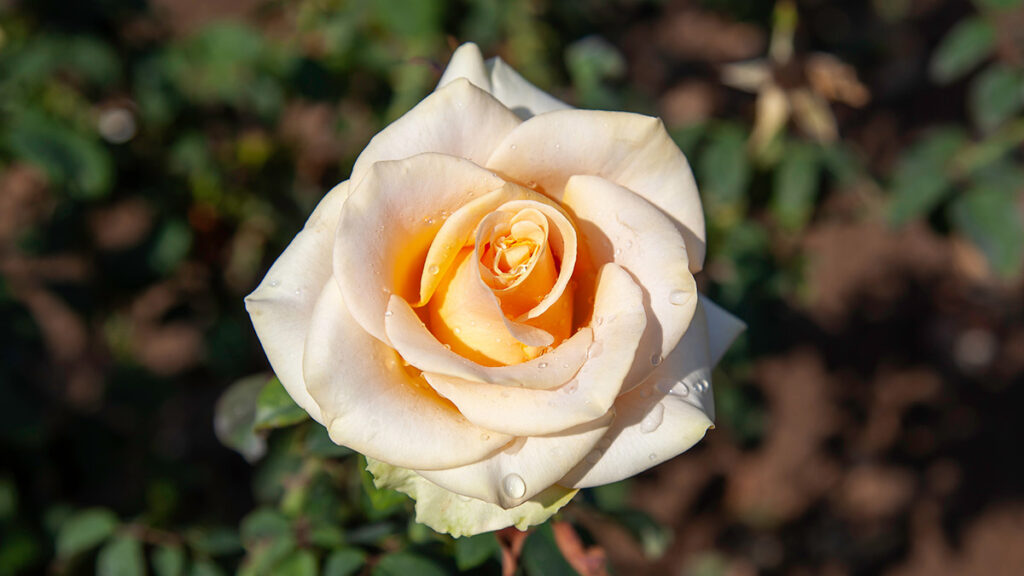
Roses have captivated gardeners and flower enthusiasts for centuries. Their exquisite blooms, delicate fragrance, and timeless elegance make them a cherished addition to gardens worldwide. While it’s easy to marvel at roses in their prime, it’s important to recognize that these beloved flowers are more than a fleeting summer bloom. In fact, the seasonal characteristics of a rose reveal just how dynamic and resilient this plant can be throughout the year.
Whether you’re a seasoned gardener or someone with a budding interest in landscaping, understanding each season’s impact on roses helps you care for them better. As you read on, you’ll gain insights into the rose’s scientific classification, seasonal growth patterns, year-round maintenance, and how to fully appreciate its beauty in every month. By the end, you’ll see that roses offer much more than a pretty summer show—they are living masterpieces designed to thrive in the right conditions all year long.
When you think of a rose, the mind instantly conjures images of lush petals, vibrant shades of red or pink, and a gentle perfume that adds grace to any environment. But roses are more than meets the eye. Each season, they undergo transformations—subtle or dramatic—that influence when and how they bloom. Knowing these seasonal shifts allows you to anticipate when your roses will be at their peak, and what care they need at different points in the year.
With this guide, we’ll delve deep into the seasonal characteristics of a rose, helping you to see how roses change from spring through winter. We’ll also discuss critical care tips to keep them at their healthiest, year-round. In doing so, you’ll discover just why roses are not only symbols of love and affection but also fascinating botanical marvels that adapt to and flourish in their environment through every season.
Understanding the Rose’s Scientific Background

Table of Contents
Rose Scientific Name and Family
Before exploring how roses behave across the seasons, it’s helpful to know their basic scientific details. Commonly referred to as “roses,” these beautiful plants belong to the genus Rosa within the family Rosaceae—a large family that includes many ornamental and fruit-bearing plants such as apples, pears, cherries, and plums. The genus Rosa encompasses over 100 species and thousands of cultivated varieties (cultivars). While each rose species or variety may have its own unique traits, most share the quintessential rose appearance and fragrance that makes them universally appealing.
Why Scientific Classification Matters
Understanding the rose scientific name and family offers several advantages for gardeners:
- Better Plant Identification: Knowing a plant’s genus and family helps distinguish roses from other flowering shrubs that might share similar appearances but require different care.
- Improved Care and Cultivation: Different species within the genus Rosa may have varying needs in terms of climate, soil pH, and pest management. Recognizing these distinctions helps you tailor your care approach.
- Appreciation of Biodiversity: Realizing that your beloved roses are relatives to other common garden plants in the Rosaceae family enhances your awareness of the intricate relationships in your garden ecosystem.
Seasonal Characteristics of a Rose
Roses are perennial plants, meaning they live for multiple years, and go through seasonal cycles. While some varieties bloom repeatedly from spring through fall (called “repeat-blooming” roses), others put on one stunning show annually. In either case, every rose experiences seasonal shifts that impact growth, bloom, and dormancy. Let’s break down the yearly timeline to see how these changes unfold.
Spring: Emergence, Buds, and New Growth
- Bud Break and Leaf Emergence
Spring is a season of renewal for roses. As temperatures rise and days become longer, roses awaken from winter dormancy. You’ll start to see vibrant, red-tinged shoots emerging, followed by the gradual unfolding of new leaves. It’s an exciting time because this signals that your rose is gearing up for a robust growing season. - First Flower Buds
Once leaves have formed and the plant is harnessing energy from the sun, rose bushes begin developing flower buds. During this period, proper nutrition is crucial. Nutrient-rich soil and well-timed fertilization ensure the plant has all it needs for forming healthy buds. Adequate water is also essential; roses typically appreciate about an inch of water per week, depending on rainfall and soil conditions. - Common Spring Tasks
- Pruning (if not done in late winter): Removing dead or weak canes to encourage vigorous new growth.
- Fertilizing: Applying a balanced rose fertilizer as new growth appears.
- Pest Watch: Keeping an eye out for aphids and other early-spring pests that may damage tender shoots.
Summer: Full Bloom and Peak Display
- Abundance of Blooms
Summer is the time roses truly shine. Depending on your climate and rose variety, summer can bring a spectacular flush of blossoms. Some modern hybrids will continue producing buds and blooms well into late summer, offering continuous color and fragrance. - Sunlight and Heat Considerations
Roses love sunlight, generally thriving with at least six hours of direct sunlight each day. However, intense summer heat can stress the plant. Ensuring adequate water during hot spells is critical—mulching around the base helps retain moisture and keep roots cool. - Maintenance Tasks
- Deadheading: Removing spent flowers encourages repeat-bloomers to produce more blooms.
- Pest and Disease Control: Warm weather can also encourage fungal diseases (like black spot) and pests (like spider mites). Regular inspections and timely treatments keep problems in check.
- Feeding: A light application of fertilizer mid-summer can strengthen the plant for continued bloom production.
Fall: Transition, Late Blooms, and Preparing for Dormancy
- Slowing Growth and Color Changes
As the days shorten and temperatures drop, roses begin to slow their growth. Many varieties will still produce a late-season flush of blooms, albeit generally fewer and smaller than in summer. You may notice leaves taking on warmer hues, hinting at the plant’s gradual retreat into dormancy. - Preparing for Dormancy
Fall is the transitional season where the plant starts to conserve energy for winter. Significantly reduce fertilization around this time because you don’t want to encourage tender new growth that could be damaged by frost. Instead, focus on supporting the plant’s hardiness. - Common Fall Tasks
- Light Pruning: Removing dead or diseased canes as you notice them. Major pruning should typically wait until late winter or early spring, depending on your climate.
- Removing Faded Blooms: While some gardeners prefer to leave rose hips (the fruit of the rose) to form for visual interest or bird food, removing old flowers can help reduce disease risk.
- Mulching: Adding a fresh layer of mulch insulates the root zone, helping stabilize soil temperatures through winter.
Winter: Dormancy, Rest, and Protective Measures

- Deep Dormancy
In winter, roses enter a period of dormancy—a survival mechanism that protects them from freezing temperatures. Above-ground portions often appear lifeless, but the plant is very much alive, storing energy in its roots and canes. - Winter Protection
Depending on how cold your region gets, you might need to take measures to protect your roses from damage. This can involve mounding soil or mulch around the base, using rose cones, or wrapping canes in burlap for extra insulation in extremely cold climates. - Key Winter Activities
- Minimal Pruning: In many cases, gardeners wait until late winter or very early spring (right before bud break) for heavier pruning.
- Occasional Watering: In warmer winter climates or during dry spells, a light watering may be necessary to prevent dehydration, but be careful not to overwater.
- Inspection: Periodically check for any damage to canes, especially if you experience heavy snowfalls.
Year-Round Rose Care Tips
Roses can thrive in various climates if given the right care. While each season brings its own tasks, there are overall best practices you can follow throughout the year to keep your rose plants healthy and resilient.
- Soil Preparation and Amendments
- Roses do best in well-draining, loamy soil rich in organic matter.
- Compost, aged manure, or organic mulch can be added each year to replenish nutrients and improve soil texture.
- Watering Strategies
- Aim for deep watering once or twice a week rather than light, frequent sprinklings.
- Use soaker hoses or drip irrigation to keep foliage dry, reducing the risk of fungal diseases.
- Pruning Techniques
- Prune in late winter or early spring to shape the plant and remove any dead or damaged canes.
- Summer deadheading encourages repeat-blooming varieties to produce more flowers.
- Fertilization Schedule
- Early spring feeding (just as new growth emerges) sets the stage for robust blooms.
- A mid-summer fertilizing can support sustained blooming but avoid feeding late in the season to discourage soft, frost-prone growth.
- Use a balanced organic fertilizer or a rose-specific blend, following label instructions.
- Pest and Disease Management
- Monitor regularly for aphids, spider mites, black spot, and powdery mildew.
- Encourage beneficial insects like ladybugs and lacewings, and opt for organic or chemical controls sparingly if infestations become severe.
- Mulch and Compost
- Mulch serves as a year-round ally, moderating soil temperature, locking in moisture, and suppressing weeds.
- Replenish mulch as needed, particularly in spring and fall, for continuous benefits.
- Choosing the Right Varieties
- Select rose varieties suited to your local climate. Hardy roses can withstand cold winters, while heat-tolerant varieties flourish in warmer zones.
- Disease-resistant types reduce the need for chemical treatments and simplify maintenance.
Year-Round Appeal and Garden Benefits
Continuous Seasonal Interest
Many gardeners are surprised at how captivating roses can be even when not in peak bloom. For instance, in fall, some roses develop decorative rose hips in shades of red or orange that contrast beautifully against fading foliage. In winter, the stark silhouette of thorny canes can be visually striking against a blanket of snow or frost.
Enhancing Garden Aesthetics
- Focal Point in Planting Schemes
Roses can serve as statement pieces in garden beds or borders. With the right design, they can be seamlessly integrated among perennial shrubs, ornamental grasses, and pollinator-friendly flowers. - Fragrance and Sensory Experience
Certain rose varieties emit stronger fragrances in cooler weather—making a stroll through the garden on a crisp fall afternoon a delight to the senses. - Cut Flowers and Arrangements
Classic roses are mainstays of bouquets. A healthy rose bush can supply you with cut flowers for decorating your home or gifting to friends and family.
Complementary Garden Ecosystem
Because they belong to the Rosaceae family, roses share similarities with fruit trees and other common ornamentals. When planned thoughtfully, a rose bed can become a habitat for beneficial insects that help control garden pests. Pollinators like bees and butterflies also appreciate roses as a food source, especially if you grow open-faced varieties where the pollen is easily accessible.
Additional Resources from Gardenloom
Cultivating roses for year-round beauty requires a blend of knowledge, dedication, and inspiration. If you’re looking for more tips, troubleshooting guides, or landscaping ideas, head over to Gardenloom. We regularly update our website with in-depth articles, step-by-step tutorials, and photography galleries to spark your creativity and help you achieve a flourishing garden.
Feel free to explore our other resources, such as:
- Garden Design and Layout Guides
- Organic Pest Management Tips
- DIY Landscaping Projects
- Plant Care Schedules and Seasonal Checklists
By taking advantage of these materials, you’ll find it much easier to address challenges like pests, soil quality, or even how to select companion plants that enhance your rose displays.
FAQs About the Seasonal Characteristics of a Rose
1. What are “seasonal characteristics” of a rose?
Seasonal characteristics refer to the distinct changes a rose goes through during each season—spring, summer, fall, and winter. These include variations in growth rate, bloom production, leaf color, and dormancy patterns.
2. How do I prepare my rose bushes for winter?
In fall, gradually reduce fertilization to discourage soft, frost-prone growth. Before freezing temperatures set in, prune away any dead or diseased canes and apply a layer of mulch around the base of the plant for insulation. In colder climates, additional protective measures—like using burlap wraps—may be necessary.
3. When is the best time to prune roses?
Major pruning is typically done in late winter or early spring, right before the plant resumes active growth. This allows you to remove dead wood and shape the plant. Light pruning (such as removing faded blooms or dead canes) can be done throughout the year as needed.
4. Why are my rose blooms smaller at the end of the season?
It’s common for blooms to become smaller in the late summer or early fall as the plant begins shifting energy from flowering to conserving resources for winter. Weather conditions—especially heat or drought—also impact bloom size and quantity.
5. Do roses really need full sun, even in summer?
Most rose varieties thrive with at least six hours of direct sunlight per day. In extremely hot climates, providing partial shade during peak afternoon heat can help prevent stress, but generally, roses perform best in sunny conditions.
6. What does “rose scientific name and family” mean, and why is it important?
- Scientific Name: Roses belong to the genus Rosa.
- Family: They are part of the Rosaceae family, which also includes many fruit-bearing plants (like apples and cherries).
Understanding this helps gardeners choose suitable care methods and recognize the botanical relationships that might influence how roses grow in a larger ecosystem.
7. How can I get my roses to rebloom throughout the summer?
For repeat-blooming varieties, deadhead (remove spent flowers) as they fade to encourage the plant to produce new buds. Providing adequate water, proper fertilization, and a sunny location also helps sustain continuous blooms during the growing season.
8. Should I leave rose hips on the plant over winter?
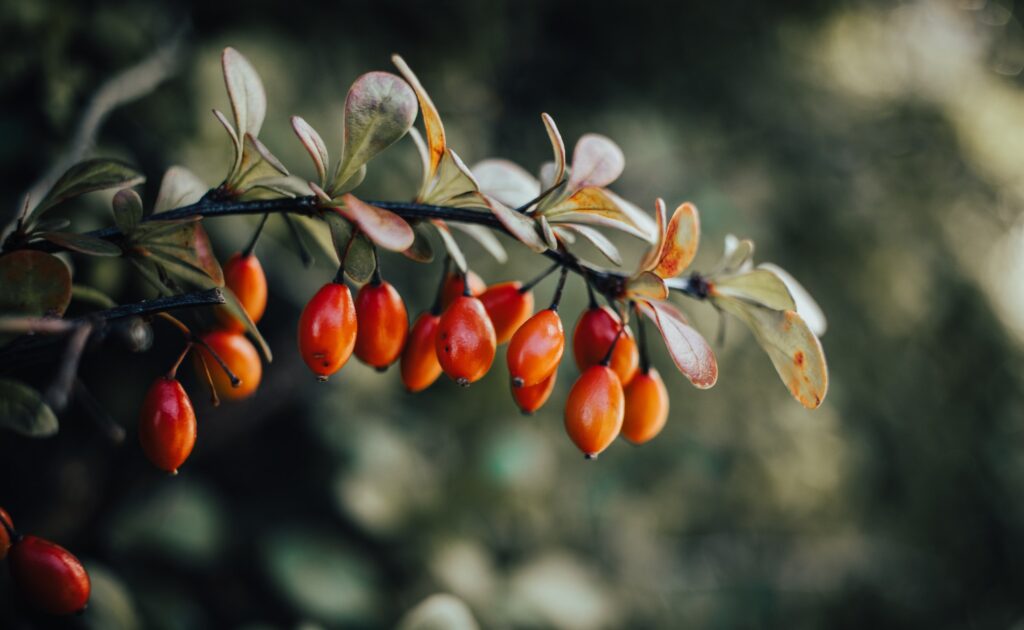
Some gardeners choose to leave rose hips (the seed pods of the rose) for visual interest or to feed local wildlife. However, if you want to minimize disease or pest issues, removing them can reduce the chance of overwintering insects and fungal spores.
9. What’s the difference between winter dormancy and a dead plant?
During dormancy, the rose bush may appear lifeless above ground, but it’s still very much alive below the surface. Stored energy in the roots and canes allows the plant to reawaken in spring. A truly dead plant shows no green or pliable tissue in the canes and does not produce new growth in spring.
10. Where can I find more information on rose care throughout the year?
For more guides on planting, pruning, and seasonal rose care, be sure to visit Gardenloom. You’ll find resources to help you address specific challenges, from pest management to garden design, ensuring your roses thrive in every season.
Conclusion
Roses may be famously known as the “queen of flowers,” but their majestic reputation doesn’t only stem from their summer blooms. The seasonal characteristics of a rose unveil a multifaceted plant capable of enthralling gardeners with year-round interest. From the first vibrant shoots in spring to the stark but elegant canes of winter, each seasonal shift reveals a new side of the rose’s beauty and resilience.
Armed with an understanding of the rose scientific name and family, you can better appreciate how roses fit into the broader botanical world and learn to adapt your care practices accordingly. By tailoring your approach each season—whether that means pruning and feeding in spring, deadheading in summer, or mulching in fall—you can guide your roses to reach their full potential. Even in winter dormancy, they conserve energy, preparing to burst back to life once conditions improve.
If you nurture them correctly, roses will reward you season after season with lush blooms, alluring fragrances, and a sense of timeless romance that few other plants can rival. Now that you have a clear grasp of how roses behave throughout the year, you can confidently plant, care for, and savor these cherished flowers in all their seasonal glory.
For continued support and inspiration, remember to visit Gardenloom. Whether you’re searching for design ideas, advanced pest management solutions, or simply want to marvel at stunning rose photography, our website is packed with guidance for making your garden dreams a reality. By leaning on these resources—and observing the changes each season brings—you’ll find yourself well on your way to growing roses that stand as vibrant symbols of natural beauty, all the way through 2025 and beyond.