

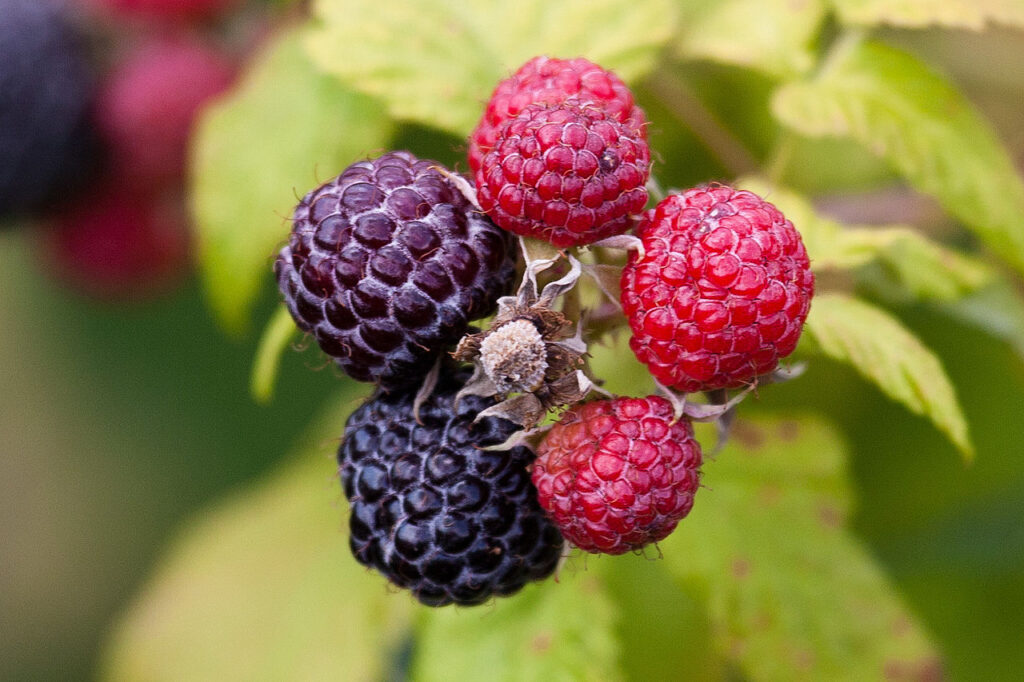
Rubus loganobaccus, commonly known as the loganberry, is a hybrid fruit that combines the best qualities of both raspberries and blackberries. With its vibrant red color and unique flavor, this berry has earned its place in the world of horticulture and gastronomy. In this guide, we will explore the botanical details, history, cultivation tips, health benefits, and culinary uses of the loganberry, providing you with everything you need to know about this remarkable fruit.
Botanical Profile of Rubus loganobaccus
The loganberry is a member of the Rosaceae family and belongs to the Rubus genus, which also includes other popular fruits like blackberries and raspberries. Here are some key characteristics of this unique plant:
-
Scientific Classification:
- Kingdom: Plantae
- Family: Rosaceae
- Genus: Rubus
- Species: Rubus loganobaccus
-
Physical Characteristics:
Loganberries grow on thorny canes, which can reach up to 6 feet in height. The leaves are compound, with three to five leaflets, and are dark green in color. The fruit itself is an elongated berry, similar in shape to a raspberry but with a deeper, darker red hue. It has a firm texture and a balanced combination of sweetness and tartness.
History and Origin of Loganberry
The loganberry was created in 1881 by James Harvey Logan, an American horticulturist. Logan inadvertently cross-pollinated a blackberry with a raspberry in his garden in California, resulting in a hybrid fruit with the best traits of both parent plants. The loganberry quickly gained popularity due to its unique flavor, larger size compared to raspberries, and higher yield compared to blackberries. Today, the loganberry is enjoyed worldwide, though it remains most commonly cultivated in temperate regions.
Cultivation and Growth
Loganberries thrive in regions with full sun, well-drained soil, and moderate rainfall. Here’s how to cultivate this versatile fruit:
-
Growing Conditions:
Loganberries prefer slightly acidic, well-drained soils, and they require full sunlight to grow properly. They are hardy in USDA zones 5 through 9, making them suitable for a variety of climates. -
Cultivation Methods:
Most loganberries are grown on trellises or wires to support the long canes. Training the canes properly ensures better airflow and sunlight penetration, which leads to improved fruit production. Regular pruning is necessary to remove old, non-productive canes and encourage fresh growth. -
Maintenance Tips:
After the harvest, remove any dead or old canes to promote healthy new growth for the following season. Loganberries can also be susceptible to pests and diseases, so regular monitoring and organic treatments may be necessary.
Nutritional Profile
Loganberries are not only delicious but also packed with nutrients. Here’s a breakdown of their nutritional content:
-
Vitamins and Minerals:
- High in vitamin C, which supports the immune system and promotes healthy skin.
- Contains vitamin K, which is essential for bone health and proper blood clotting.
- A rich source of manganese and iron, which are important for maintaining strong bones and red blood cells.
-
Fiber and Antioxidants:
Loganberries are an excellent source of dietary fiber, which aids in digestion and helps maintain a healthy gut. They also contain a range of antioxidants that help fight free radicals in the body, reducing the risk of chronic diseases.
Health Benefits of Loganberry
The health benefits of loganberries extend beyond their rich nutritional profile. Regular consumption of these berries may provide the following advantages:
-
Supports Heart Health:
Due to their high antioxidant content, loganberries help protect the heart by reducing oxidative stress and inflammation. The high levels of anthocyanins found in loganberries are particularly beneficial for cardiovascular health. -
Aid in Digestion:
Loganberries are rich in fiber, which plays a critical role in digestive health. Fiber helps regulate bowel movements, prevent constipation, and support a healthy gut microbiome. -
Boosts Immune System:
The high vitamin C content in loganberries strengthens the immune system, helping the body fight off infections and illnesses more effectively. -
Promotes Skin Health:
The antioxidants found in loganberries help protect the skin from damage caused by UV rays and environmental pollutants, while also supporting collagen production for smoother and more youthful skin.
Culinary Uses of Loganberry
Loganberries are versatile and can be used in a wide range of culinary applications:
-
Jams and Jellies:
One of the most popular uses of loganberries is making jams and jellies. Their balance of sweet and tart flavors makes them an ideal choice for preserving. -
Baked Goods:
Loganberries can be incorporated into pies, muffins, and cakes, adding a burst of flavor to these treats. -
Beverages:
Loganberries can be used to make refreshing beverages such as juices, smoothies, and even loganberry wine. -
Pairing with Other Ingredients:
Loganberries pair well with other fruits such as apples, peaches, and strawberries, as well as with savory ingredients like cheese and roasted meats.
Conclusion
Rubus loganobaccus, or the loganberry, is a unique and highly beneficial fruit. With its rich history, nutritional value, and versatility in the kitchen, the loganberry is an excellent addition to any garden or diet. Whether you’re growing them in your backyard or enjoying their delicious flavor in a variety of dishes, loganberries offer a wealth of benefits that make them well worth exploring.