

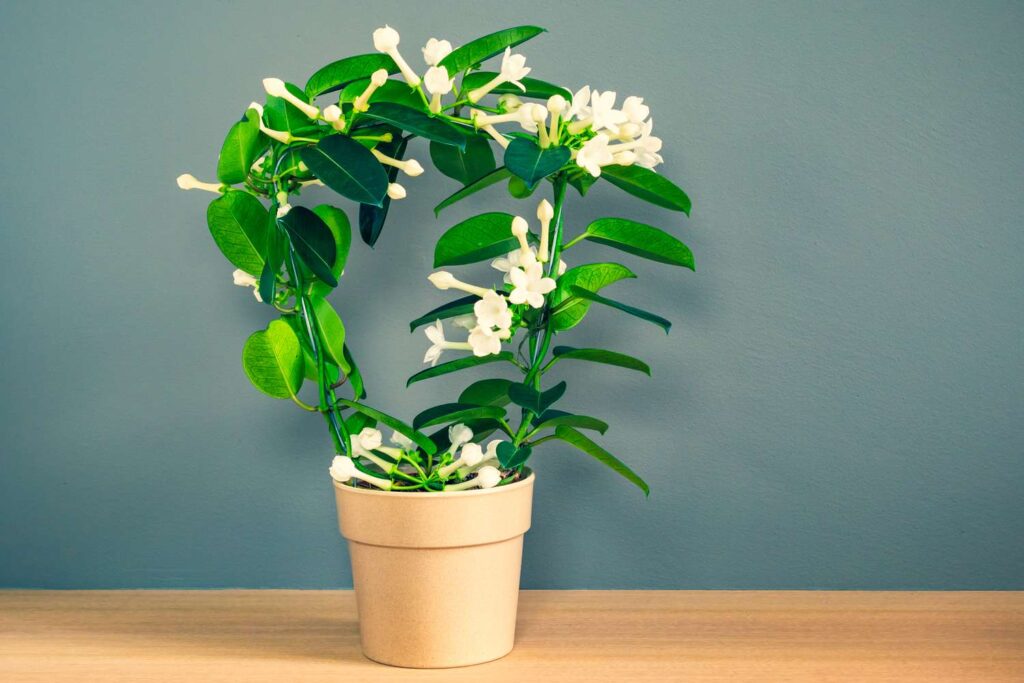
In recent years, plant-based scents have become increasingly popular across a variety of industries, from aromatherapy to home products and perfumery. As people turn towards natural alternatives for their everyday products, plant-derived fragrances are emerging as the preferred choice. These scents are not only pleasant but also environmentally sustainable and beneficial to health. In this article, we’ll explore the world of plant-based fragrances, their sources, extraction methods, applications, and their benefits.
Understanding Plant-Based Scents
Plant-based scents are fragrances derived from various plant parts, such as flowers, leaves, fruits, and resins. Unlike synthetic fragrances, which are made from chemicals and artificial compounds, plant-based scents come directly from nature. These natural fragrances have gained recognition for their purity and are often considered safer and more eco-friendly than their synthetic counterparts.
The allure of plant-based scents lies in their ability to connect us with nature and evoke emotions, memories, and well-being. They have a long history of use in cultural rituals and wellness practices, offering a more holistic approach to fragrance.
Sources of Plant-Based Scents
There are numerous plant sources that provide distinctive and enchanting fragrances. Here are some of the most popular plant-based scent sources:
Flowers
- Jasmine: Known for its sweet, exotic scent, jasmine is widely used in perfumes and is also believed to have calming and mood-enhancing properties.
- Rose: A classic floral fragrance, rose is often associated with love and romance and is used in both high-end perfumes and skincare products.
- Lavender: With its calming, herbaceous scent, lavender is a staple in aromatherapy, promoting relaxation and stress relief.
Leaves
- Mint: A fresh and invigorating scent, mint is commonly used in both culinary and fragrance applications for its energizing effects.
- Basil: A herb with a spicy, slightly sweet fragrance, basil is often used in natural perfumes and home products for its refreshing aroma.
- Eucalyptus: Known for its strong, menthol-like fragrance, eucalyptus is widely used for its medicinal properties, particularly in respiratory treatments.
Barks and Resins
- Cinnamon: The warm, spicy fragrance of cinnamon is a popular scent in candles and perfumes, especially during the fall and winter seasons.
- Frankincense: With its rich, resinous scent, frankincense has been used for centuries in spiritual and ritualistic contexts.
Fruits
- Citrus: The fresh, zesty fragrances of lemon, orange, and grapefruit are commonly used in household cleaning products and fragrances, offering an uplifting and energizing aroma.
- Berries: The sweet, fruity scent of berries like strawberries and raspberries adds a playful and youthful element to plant-based fragrances.
Extraction Methods
The process of extracting plant-based scents is crucial in preserving the purity and potency of the fragrance. Here are the most common methods of extraction:
Steam Distillation
Steam distillation is the most common method used to extract essential oils from plants. It involves passing steam through plant material, causing the essential oils to evaporate. The steam and oil are then condensed into liquid form and separated.
Cold Pressing
This method is primarily used for citrus fruits. The peel of the fruit is mechanically pressed to release the essential oils, producing a fresh and vibrant fragrance.
Solvent Extraction
For delicate flowers that cannot withstand the heat of distillation, solvent extraction is used. A solvent is applied to the plant material, which dissolves the essential oils. The solvent is then removed, leaving behind the concentrated oil.
Applications of Plant-Based Scents
Plant-based fragrances are versatile and find applications in various industries, each offering unique benefits.
Perfumery
Natural perfumes made with plant-based essential oils are highly sought after for their authentic, long-lasting scents. These perfumes are crafted using a blend of essential oils extracted from flowers, herbs, and spices, offering a more personalized and eco-friendly alternative to synthetic perfumes.
Aromatherapy
Essential oils derived from plants like lavender, eucalyptus, and peppermint are integral to aromatherapy. These oils are used to promote relaxation, boost mood, and alleviate stress. They are commonly diffused in the air, applied topically, or used in massage oils to create a calming environment.
Household Products
Plant-based scents are increasingly being used in household products, including air fresheners, cleaning products, and candles. The natural fragrances not only create a pleasant atmosphere but also contribute to a cleaner, more sustainable home environment.
Benefits of Plant-Based Scents
There are several compelling reasons to opt for plant-based scents over synthetic ones.
Environmental Sustainability
Plant-based fragrances are a natural, renewable resource, making them an eco-friendly choice compared to synthetic fragrances, which often rely on petrochemicals. Choosing plant-derived scents supports sustainable farming practices and helps reduce the environmental footprint of the fragrance industry.
Health Advantages
Many synthetic fragrances contain harmful chemicals that can irritate the skin or trigger allergies. In contrast, plant-based fragrances are typically gentler and contain fewer harmful substances, making them a safer choice for those with sensitive skin or respiratory issues.
Popular Plant-Based Fragrance Oils
Some plant-based fragrance oils have become incredibly popular due to their versatility and distinctive aromas. These include:
- Lavender oil: Known for its soothing properties and calming effects.
- Peppermint oil: A refreshing and invigorating fragrance often used in both personal care and home products.
- Sandalwood oil: A rich, woody fragrance that adds a grounding, earthy element to perfumes and candles.
Cultivating Fragrant Plants at Home
If you’re interested in cultivating fragrant plants, there are a variety of options that can be grown in gardens or even indoors. Here are a few tips for beginners:
- Choose the right plants: Opt for easy-to-grow, aromatic plants such as lavender, mint, and rosemary.
- Ensure proper sunlight: Most fragrant plants require plenty of sunlight to thrive.
- Water and care: Regular watering and appropriate soil conditions are essential for healthy, aromatic plants.
Future Trends in Plant-Based Fragrances
The demand for plant-based scents is expected to continue growing as more people seek natural, eco-friendly alternatives. Innovations in biotechnology and synthetic biology may also lead to the development of new and more sustainable ways to produce plant-based fragrances.
Conclusion
Plant-based scents offer a natural and sustainable way to enjoy fragrance while benefiting both our health and the environment. With a wide range of sources, extraction methods, and applications, plant-based fragrances are sure to continue to play a significant role in perfumery, aromatherapy, and household products. Whether you are looking to enhance your home with aromatic oils or grow fragrant plants in your garden, there are plenty of ways to incorporate these natural scents into your daily life.