
Marigolds are vibrant, hardy, and versatile flowers that are loved by gardeners all over the world. Known for their bright orange, yellow, and red hues, marigolds add a touch of cheer to any garden. Starting with marigold seedlings is an excellent way to grow these beautiful flowers. Whether you’re a seasoned gardener or a beginner, marigold seedlings offer a great opportunity to enhance your garden’s aesthetics while also reaping the benefits of their pest-repelling properties.
Understanding Marigold Varieties
African Marigolds (Tagetes erecta)
African marigolds are large, upright plants known for their big, bold flowers. They typically bloom in bright yellow or orange and grow up to 3 feet tall. These marigolds thrive in full sun and prefer well-drained, fertile soil. They are perfect for adding height to flower beds or borders.
French Marigolds (Tagetes patula)
French marigolds are smaller than their African counterparts and come in a variety of colors, including red, orange, and yellow. They are often used for edging garden beds or as companion plants in vegetable gardens. French marigolds grow to about 12 to 18 inches tall, making them ideal for smaller spaces.
Signet Marigolds (Tagetes tenuifolia)
Signet marigolds are the smallest of the marigold varieties and are known for their delicate, finely divided leaves. These marigolds have a strong, citrus-like fragrance and are often grown in containers or hanging baskets. Their vibrant blooms in shades of gold, orange, and yellow make them an excellent choice for adding color to patios and balconies.
Preparing for Planting
Selecting the Right Soil
Marigolds thrive in well-drained, fertile soil with a slightly acidic to neutral pH (6.0 to 7.0). If your soil is heavy or clay-like, consider amending it with organic compost or peat moss to improve drainage and soil structure. Well-aerated soil ensures strong root development and healthy seedlings.
Choosing the Ideal Location
Marigolds require plenty of sunlight to flourish. Choose a location that receives at least 6 hours of direct sunlight each day. A sunny spot not only promotes vigorous growth but also encourages marigolds to bloom profusely. Ensure the site is protected from strong winds, which can damage the delicate stems and flowers.
Sowing Marigold Seeds
Indoor Sowing
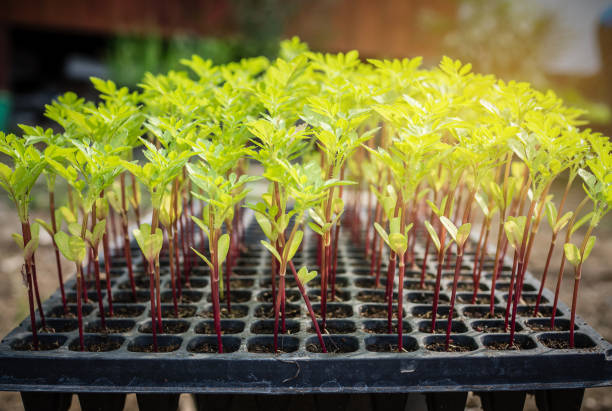
Start marigold seeds indoors about 6 to 8 weeks before the last expected frost date in your area. Fill seed trays or small pots with a light seed-starting mix, and gently press the seeds into the soil. Keep the soil consistently moist and place the pots in a warm area with temperatures around 70°F. Once the seedlings have developed a few sets of leaves, they can be transplanted into the garden after all danger of frost has passed.
Direct Sowing Outdoors
Marigold seeds can also be directly sown outdoors after the soil has warmed and the risk of frost has passed. Prepare the soil by loosening it and removing any weeds. Sow the seeds about 1/4 inch deep and space them 6 to 12 inches apart, depending on the variety. Water gently to ensure proper germination.
Caring for Marigold Seedlings
Watering Practices
Marigolds are relatively drought-tolerant but require regular watering to establish healthy seedlings. Water them deeply but infrequently, allowing the soil to dry out between waterings. Avoid overhead watering, which can encourage diseases. Watering at the base of the plant helps keep the foliage dry and reduces the risk of fungal infections.
Fertilization
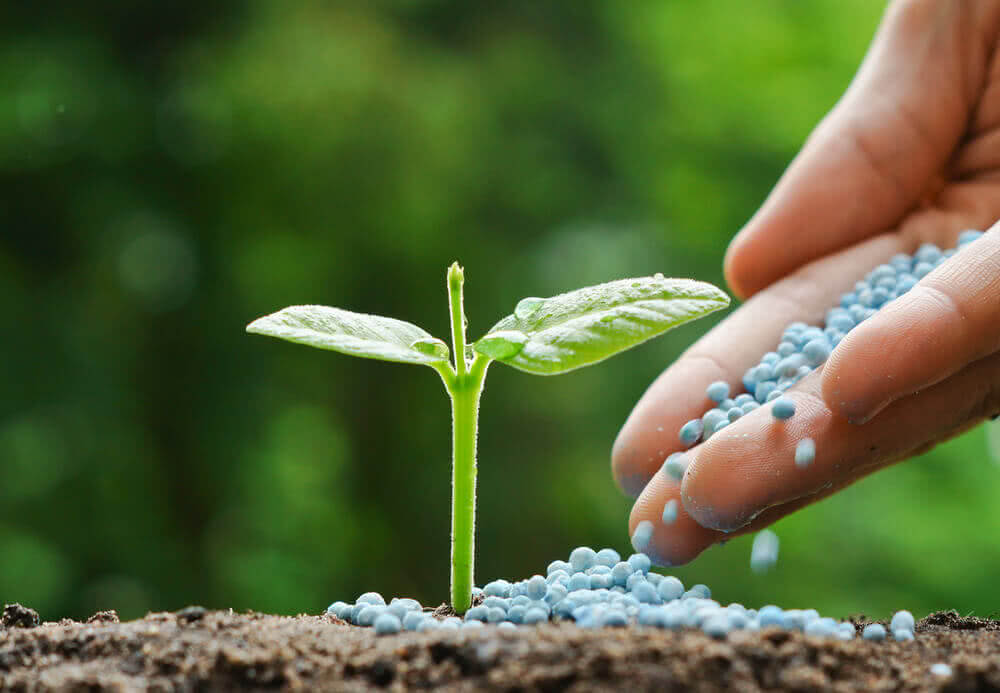
While marigolds are not heavy feeders, a balanced, slow-release fertilizer can help promote healthy growth and vibrant blooms. Apply fertilizer in early spring and again mid-season, following the manufacturer’s instructions. Over-fertilizing can lead to excessive foliage growth at the expense of flowers.
Pruning and Deadheading
To encourage more blooms and a bushier plant, prune marigolds regularly. Pinch back the growing tips of young plants to promote branching. Deadheading, or removing spent flowers, helps keep the plants tidy and encourages continuous blooming throughout the growing season.
Managing Pests and Diseases
Common Pests
Marigolds are known for their pest-repelling properties, but they are still susceptible to certain insects, including aphids, caterpillars, and whiteflies. Regularly inspect your plants for signs of pests and treat infestations with insecticidal soap or neem oil. Marigolds’ strong fragrance often deters many common garden pests, making them a great companion plant.
Preventing Diseases
Marigolds are relatively resistant to disease, but they can be affected by root rot if overwatered. Ensure that the soil is well-drained and avoid waterlogging. If you notice yellowing leaves or wilted plants, check the roots for signs of rot. In cases of fungal infections, remove and dispose of infected plant material to prevent the spread.
Harvesting and Seed Saving
Marigold flowers typically bloom from late spring to fall, and you can harvest the seeds once the flower heads start to dry out. Collect the seeds by cutting off the dried flower heads and removing the seeds from the center. Store the seeds in a cool, dry place for use in the next growing season.
Marigold Seedling Market Trends
Marigolds continue to be a popular choice for both amateur gardeners and professional landscapers. The global market for marigold seedlings is expected to grow as more people embrace gardening for both aesthetic and functional purposes. Marigolds are often used in companion planting to improve soil health and repel pests, adding value to their cultivation.
Conclusion
Whether you’re looking to add vibrant colors to your garden or seeking a natural pest deterrent, marigold seedlings are an excellent choice. With the right care and attention, marigolds can thrive and bring beauty to your garden throughout the growing season. Start by selecting the right variety, preparing the soil, and following proper sowing and care practices, and you’ll enjoy a flourishing marigold garden in no time.
FAQs About Marigold Seedling
Q: How long do marigold seedlings take to bloom? A: Marigold seedlings typically take 8 to 10 weeks from sowing to bloom, depending on the variety and growing conditions.
Q: Can marigolds grow in partial shade? A: Marigolds prefer full sun, but they can tolerate partial shade. However, flowering may be reduced in shaded areas.
Q: How often should I water my marigold seedlings? A: Water marigold seedlings deeply but infrequently, allowing the soil to dry out between waterings.
Q: Can marigolds grow in containers? A: Yes, marigolds grow well in containers as long as they receive sufficient sunlight and are planted in well-draining soil.
Q: Are marigolds deer-resistant? A: Yes, marigolds are typically deer-resistant due to their strong fragrance and bitter taste.