
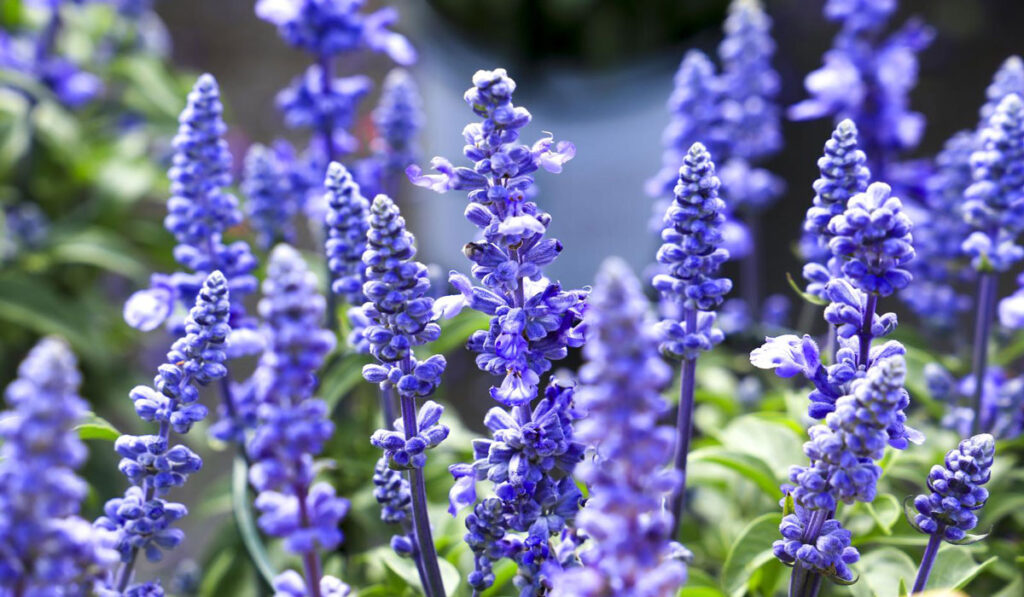
Purple flowering bushes are a timeless addition to any garden, bush with purple flowers, bringing elegance, charm, and a pop of vibrant color. Whether you’re looking to create a focal point, attract pollinators like butterflies and bees, or add a touch of sophistication, these shrubs are the perfect choice. Their versatility allows them to be used as hedges, borders, or standalone features, making them ideal for landscaping.
From low-maintenance options to rare and exotic varieties, purple flowering bushes offer something for every gardener. This guide explores the most stunning bushes with purple flowers, along with planting tips, care instructions, and landscaping ideas to help you create a flourishing garden.
Benefits of Bushes with Purple Flowers
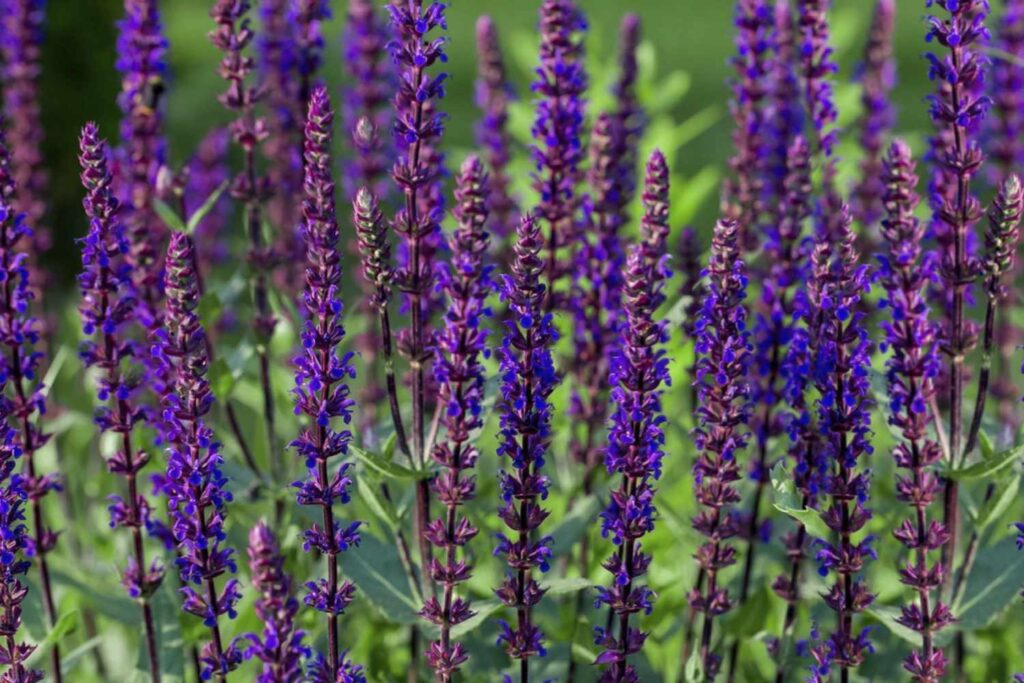
Table of Contents
Visual Appeal
Purple flowering bushes add a sense of luxury and tranquility to any garden. The rich, vibrant hues stand out against green foliage, creating a visually captivating display. Whether used in clusters or as standalone features, these shrubs bring depth and elegance to outdoor spaces. Purple is also associated with creativity and calmness, making it an ideal choice for creating relaxing garden retreats.
Attract Pollinators
Many bushes with purple flowers are excellent at attracting pollinators such as bees, butterflies, and hummingbirds. The bright colors and nectar-rich blooms provide essential food sources, supporting local ecosystems and encouraging biodiversity. Adding these plants to your garden helps sustain pollinator populations, which play a vital role in fertilizing plants and ensuring healthy growth.
Versatility in Landscaping
Purple flowering bushes are highly versatile and can be used in various landscaping designs. They work beautifully as hedges, borders, or privacy screens, providing structure and definition to outdoor spaces. Smaller varieties are perfect for container gardening, while larger bushes can serve as eye-catching focal points. Their adaptability makes them suitable for formal gardens, cottage-style landscapes, and wildlife-friendly spaces.
Top 20 Bushes with Purple Flowers for Your Garden
Low-Maintenance Purple Flowering Bushes
1. Lilac (Syringa vulgaris)
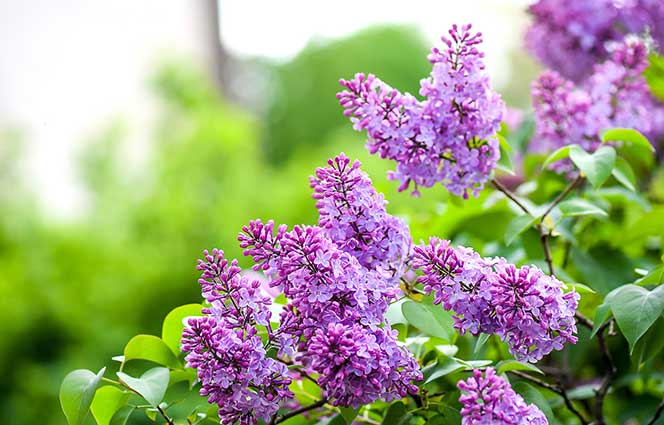
Lilacs are beloved for their fragrant blooms and lush clusters of purple flowers. They typically bloom in late spring and thrive in well-drained soil with full sun exposure. These shrubs require minimal maintenance and are perfect for creating hedges or focal points in gardens.
2. Butterfly Bush (Buddleia)
Known for its ability to attract butterflies, the butterfly bush features cone-shaped clusters of purple flowers. It blooms from summer to fall and prefers full sun and well-drained soil. Pruning in early spring encourages new growth and abundant blooms.
3. Lavender (Lavandula)
Lavender is a compact shrub famous for its soothing fragrance and purple spikes. It is drought-tolerant and thrives in sunny locations with sandy or well-drained soil. Lavender is ideal for borders, containers, and rock gardens.
4. Purple Beautyberry (Callicarpa dichotoma)
This unique shrub produces clusters of vibrant purple berries in the fall, offering year-round interest. It grows well in partial to full sun and requires minimal care, making it perfect for naturalized landscapes.
5. Russian Sage (Perovskia atriplicifolia)
Russian sage stands out with its tall, airy spikes of lavender-blue flowers. It’s highly drought-tolerant, thrives in full sun, and adapts to poor soil conditions. Its feathery foliage also adds texture to garden beds.
Evergreen and Perennial Purple Flowering Bushes
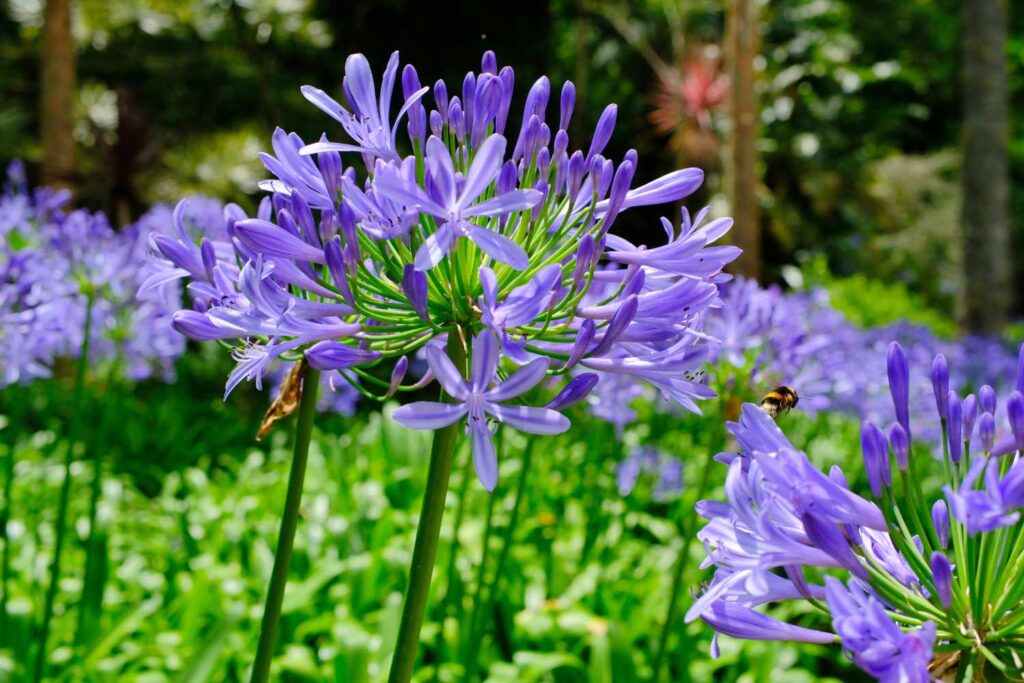
6. Rhododendron
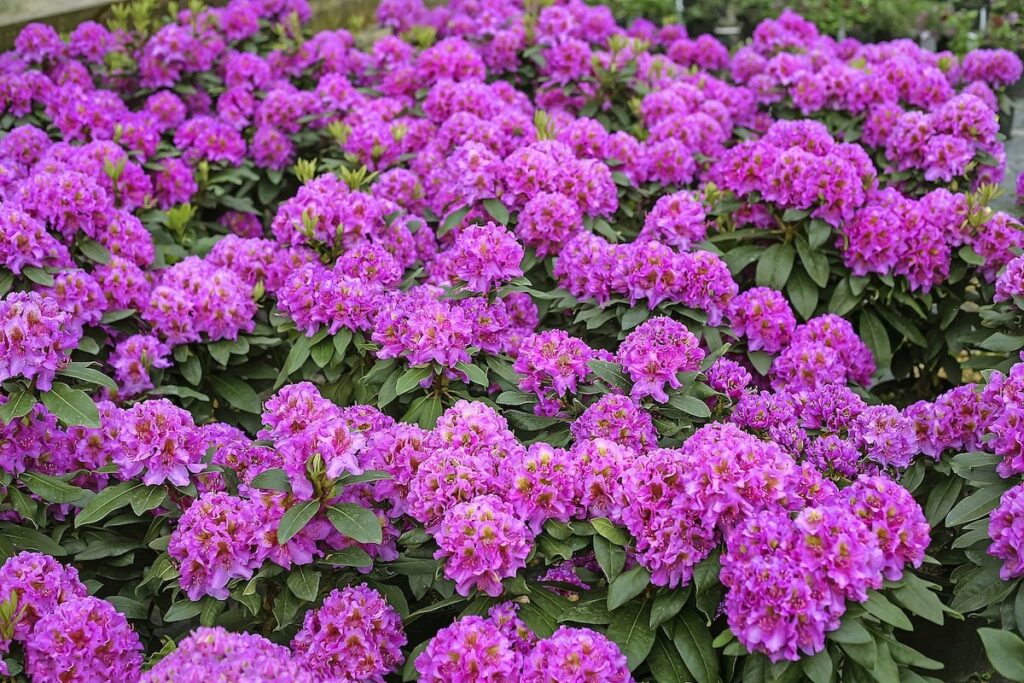
Rhododendrons are evergreen shrubs with large, vibrant blooms in spring. They prefer acidic, well-drained soil and partial shade, making them perfect for shaded garden areas.
7. Azalea
Azaleas are versatile, offering colorful blooms in various shades of purple. They thrive in acidic soil and partial shade and are low-maintenance, making them ideal for borders or container gardening.
8. Purple Smoke Bush (Cotinus coggygria)
This ornamental shrub features purple foliage and wispy, smoke-like blooms. It’s drought-tolerant and grows well in full sun, adding visual drama to landscapes.
9. Clematis
Clematis is a climbing shrub perfect for trellises and fences. Its large, star-shaped purple flowers bloom throughout summer, thriving in well-drained soil and partial to full sun.
10. Bougainvillea
Bougainvillea is a hardy, climbing shrub known for its vibrant purple bracts. It prefers full sun and dry conditions, making it an excellent choice for walls, fences, and pergolas.
Unique and Rare Purple Flowering Bushes
11. Texas Sage (Leucophyllum frutescens)
Texas sage is a drought-tolerant shrub with silvery foliage and purple flowers. It thrives in full sun and requires little water, making it ideal for xeriscaping.
12. Purple Hebe Shrub
This compact shrub produces delicate purple flowers and is perfect for borders and pathways. It prefers full sun to partial shade and well-drained soil.
13. Bluebeard (Caryopteris)
Bluebeard is prized for its late-season blooms and bee-friendly flowers. It grows well in sunny locations with dry soil, adding color to the garden when other plants fade.
14. Hydrangea ‘Endless Summer’
This hydrangea offers large, vibrant clusters of purple flowers. It thrives in partial shade and well-drained soil, providing long-lasting blooms throughout the summer.
15. Loropetalum (Chinese Fringe Flower)
Loropetalum features elegant purple foliage and bright flowers. It grows well in sun or partial shade and is ideal for hedges or standalone features.
Seasonal Blooming Purple Bushes
16. Wisteria
Wisteria produces cascading purple blooms in spring, perfect for covering trellises and pergolas. It thrives in full sun and requires occasional pruning to maintain shape.
17. Crepe Myrtle (Lagerstroemia)
Crepe myrtle offers vibrant purple flowers in summer and is highly drought-resistant. It grows well in full sun, making it perfect for warm climates.
18. Rose of Sharon (Hibiscus syriacus)
Rose of Sharon features tropical-looking purple flowers and blooms from late summer to fall. It’s hardy and adapts well to various soil types.
19. Verbena Shrub
Verbena shrubs are compact and ideal for garden beds or containers. They produce purple blooms throughout the summer and thrive in full sun.
20. Spirea (Bridal Wreath)
Spirea is known for its dense clusters of flowers, making it perfect for hedges and borders. It prefers sunny locations and well-drained soil, providing vibrant blooms in spring and summer.s.
Planting and Care Tips for Purple Flowering Bushes
Choosing the Right Location
Selecting the ideal location is crucial for the healthy growth of purple flowering bushes. Most varieties thrive in areas that receive full sun to partial shade, with at least 6 hours of sunlight daily. Ensure the soil is well-drained and rich in organic matter to promote healthy roots and vibrant blooms.
For larger shrubs, provide ample spacing (3–6 feet apart) to allow airflow and prevent overcrowding. Compact bushes can be planted closer together to create hedges or borders. If growing in containers, choose pots with drainage holes to prevent waterlogging.
Watering Requirements
Purple flowering bushes have varying water needs depending on the species. Drought-tolerant shrubs like Lavender and Russian Sage require minimal watering once established, while moisture-loving varieties such as Hydrangeas may need consistent hydration, especially during dry spells.
- Water deeply once or twice a week for newly planted shrubs.
- Reduce frequency once roots are established, allowing the soil to dry slightly between watering sessions.
- Apply a layer of mulch around the base to retain moisture and suppress weeds.
Pruning Tips
Pruning helps maintain the shape, health, and flowering capacity of shrubs.
- Timing: Prune early spring bloomers like Lilacs immediately after flowering, while late-season bloomers like Crepe Myrtle can be pruned in late winter or early spring.
- Methods: Remove dead or damaged branches to improve airflow and reduce disease risk. Thin out crowded areas to encourage light penetration and better growth.
- For climbing shrubs like Clematis, trim stems back to promote vigorous growth and flowering.
Fertilizing Techniques
Proper fertilization enhances bloom production and overall plant health.
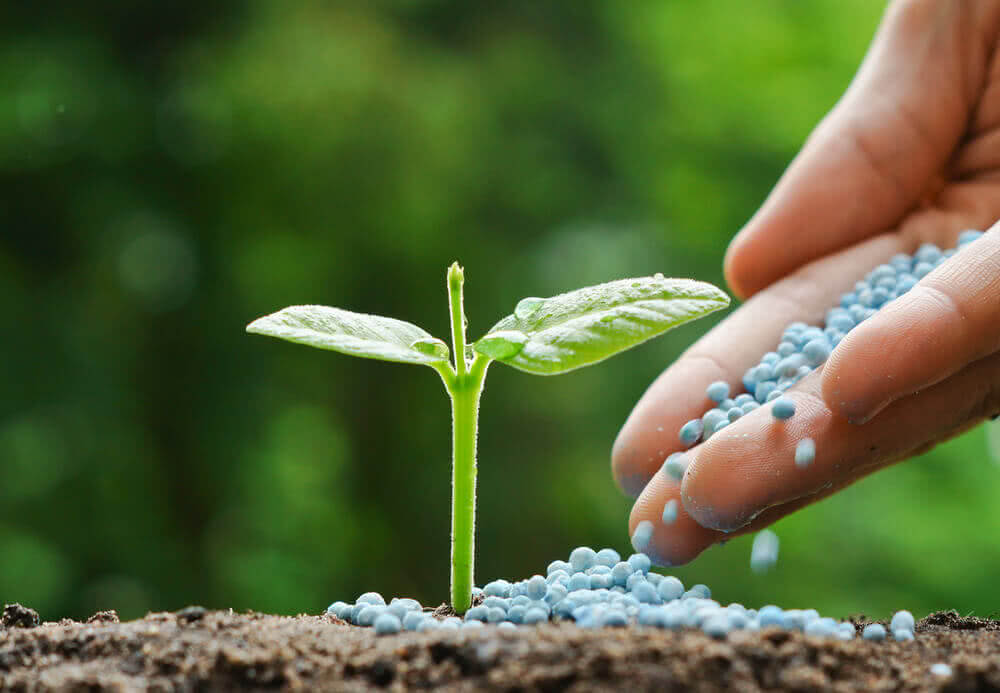
- Apply a balanced fertilizer (10-10-10) in early spring to promote growth.
- For acid-loving plants like Azaleas and Rhododendrons, use a fertilizer formulated for acidic soils.
- Avoid over-fertilizing, as this can lead to excessive foliage growth with fewer blooms.
- Incorporate compost or organic mulch around the base of the shrubs to enrich the soil naturally.
Following these planting and care tips ensures your purple flowering bushes remain healthy, vibrant, and thriving throughout the seasons.
Landscaping Ideas Using Purple Flowering Bushes
Creating Borders and Hedges
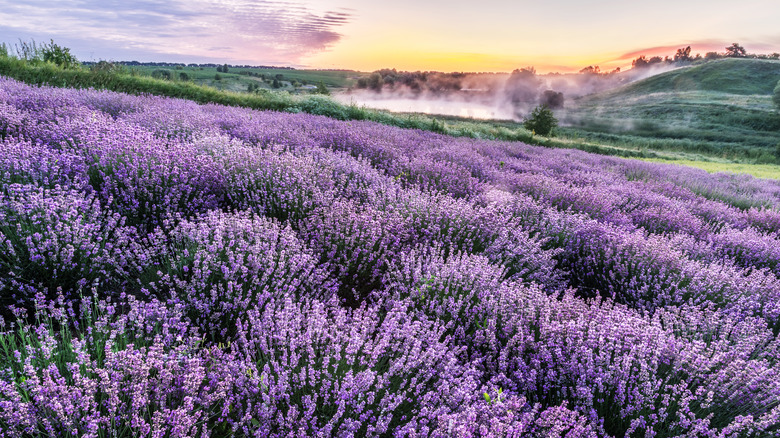
Purple flowering bushes are perfect for creating well-defined borders and hedges that add structure to gardens. Uniform shrubs like Lavender, Lilacs, and Spirea can be planted in rows to form natural fences, providing privacy while maintaining visual appeal. Their compact growth habit and dense foliage create a polished, tidy look, ideal for edging pathways or framing garden beds.
Focal Points and Accents
For eye-catching garden designs, larger shrubs such as Hydrangeas, Rose of Sharon, and Purple Smoke Bush make excellent focal points. Plant them as standalone features in the center of a lawn or at the entrance of a garden to draw attention. Cascading varieties like Wisteria can be grown on trellises or pergolas to create vertical accents, adding height and drama to outdoor spaces.
Complementary Color Pairings
Purple flowering bushes pair beautifully with plants that have contrasting colors, enhancing the overall visual impact.
- Yellow Blooms – Pair with Forsythia or Coreopsis for a bright and cheerful combination.
- White Flowers – Combine with White Hydrangeas or Gardenias for a classic, elegant look.
- Green Foliage – Mix with evergreens like Boxwood or Juniper to create a balanced and soothing palette.
These combinations create depth and harmony, making the purple hues stand out even more.
Theme Gardens
Purple flowering bushes are ideal for designing specialized gardens.
- Butterfly Gardens – Incorporate Butterfly Bush and Verbena to attract pollinators, adding movement and life to the landscape.
- Romantic Cottage Gardens – Use Lilacs, Clematis, and Wisteria to achieve a soft, romantic feel with lush blooms and climbing features.
- Modern Minimalist Gardens – Opt for structured plants like Russian Sage and Purple Smoke Bush for sleek and contemporary layouts.
By thoughtfully arranging purple flowering bushes, you can transform any outdoor area into a visually stunning and functional garden space.
Common Problems and Solutions
Pest Control
Purple flowering bushes can sometimes attract pests that affect their health and appearance.
- Aphids – These tiny, sap-sucking insects cluster on leaves and stems, causing curling and discoloration.
Solution: Spray plants with a strong stream of water to dislodge aphids or apply insecticidal soap or neem oil for severe infestations. - Spider Mites – Often found on the undersides of leaves, spider mites cause yellowing and webbing.
Solution: Increase humidity by misting plants and use insecticidal soap or miticides to eliminate them. - Caterpillars and Beetles – These pests chew through leaves and flowers.
Solution: Hand-pick visible pests and use organic pesticides like Bacillus thuringiensis (BT) to target larvae. - Fungal Issues – Powdery mildew and leaf spot can appear in humid conditions.
Solution: Improve air circulation by pruning overcrowded branches and apply fungicides when necessary.
Disease Prevention
Diseases often occur due to poor drainage, overcrowding, or excessive moisture.
- Root Rot – Caused by overwatering or poor drainage, root rot leads to yellow leaves and wilting.
Solution: Ensure soil is well-drained and avoid overwatering. Treat affected plants with fungicides and remove damaged roots if necessary. - Powdery Mildew – A white, powdery coating on leaves often develops in damp, shaded areas.
Solution: Provide good airflow, avoid overhead watering, and treat with sulfur-based fungicides. - Leaf Spot – Brown or black spots on leaves can result from fungal or bacterial infections.
Solution: Remove infected leaves and apply copper-based fungicides to prevent further spread.
Winter Protection
Cold weather can damage delicate purple flowering bushes, especially young plants.
- Mulching – Apply a thick layer of mulch (2–4 inches) around the base to insulate roots and retain warmth.
- Wrapping – Use burlap or frost cloth to wrap sensitive shrubs, protecting them from frost and wind.
- Watering Before Frost – Water plants thoroughly before freezing temperatures to prevent dehydration during dormancy.
Frequently Asked Questions (FAQs) About bush with purple flowers
What are the easiest purple flowering bushes to grow?
Some of the easiest purple flowering bushes include Lavender, Butterfly Bush (Buddleia), Russian Sage, and Spirea. These shrubs require minimal maintenance, are drought-tolerant, and thrive in various soil types.
Which purple flowering bushes are best for full sun?
Purple flowering bushes that thrive in full sun include Crepe Myrtle, Lavender, Texas Sage, and Bougainvillea. These plants need at least 6–8 hours of sunlight daily and perform well in warm climates.
Are purple flowering shrubs deer-resistant?
Yes, several purple flowering shrubs like Russian Sage, Lavender, and Butterfly Bush are known for being deer-resistant due to their strong fragrance and tough foliage.
How do I make my purple flowers more vibrant?
To enhance the vibrancy of purple flowers:
- Provide adequate sunlight, ideally 6 or more hours per day.
- Use a balanced fertilizer rich in phosphorus to promote blooming.
- Maintain proper soil pH levels as required by specific plants.
- Regularly prune dead or faded flowers to encourage new blooms.
Can purple flowering bushes grow in pots or containers?
Yes, compact varieties like Lavender, Hydrangeas, Verbena, and Dwarf Butterfly Bush grow well in pots. Ensure the containers have drainage holes and use nutrient-rich, well-drained soil for best results.
What is the name of the plant with purple flowers?
Popular plants with purple flowers include Lilac, Lavender, Wisteria, Hydrangea, and Rhododendron. These plants offer beautiful blooms and are widely used in landscaping.
What shrub has clusters of purple flowers?
Shrubs with clusters of purple flowers include Butterfly Bush, Hydrangeas, Crepe Myrtle, and Bluebeard (Caryopteris). These plants create a vibrant and colorful display, especially during the blooming season.
What is a prickly plant with purple flowers?
Thistle is a prickly plant with purple flowers commonly found in wild areas. Another example is Bougainvillea, which has thorny stems and vibrant purple bracts.
What is the most popular purple flower?
Lavender is one of the most popular purple flowers due to its fragrant blooms, low maintenance, and versatility in gardens. Other favorites include Lilacs, Hydrangeas, and Wisteria for their stunning appearance and widespread appeal.
Conclusion
Purple flowering bushes are a stunning addition to any garden, offering beauty, versatility, and functionality. Their vibrant hues create a sense of luxury and tranquility, while their ability to attract pollinators enhances biodiversity. From low-maintenance varieties like Lavender and Butterfly Bush to show-stopping options like Hydrangeas and Wisteria, there’s a perfect purple shrub for every landscape style.
These bushes can be used to create borders, hedges, or focal points, adding structure and color to outdoor spaces. Whether you’re designing a butterfly garden, a romantic cottage-style retreat, or a modern minimalist layout, purple flowering bushes provide endless possibilities.
Experiment with different types to suit your garden’s needs, and follow the planting and care tips shared here to ensure healthy growth and vibrant blooms.
For more gardening tips and plant care guides, visit GardenLoom. Explore detailed insights to help you cultivate thriving landscapes year-round.