
Peonies are one of the most beloved ornamental plants, known for their vibrant blooms and charming fragrance. Their beauty and elegance make them a popular choice for gardeners looking to add a touch of sophistication to their landscapes. But what about their role in garden design? Can peonies truly serve as focal point plants in your garden? In this article, we’ll explore whether peonies have the qualities needed to become the star of your garden and how to effectively incorporate them into your landscape.
Understanding Focal Point Plants
A focal point in a garden is a feature that draws attention and becomes the centerpiece of a landscape. It can be a tree, a unique sculpture, or even a striking plant. The main job of a focal point plant is to create a sense of balance and interest in the garden while guiding the eye through the space.
To be a successful focal point, a plant should possess certain characteristics:
- Visual Appeal: Bright colors, unique textures, or unusual forms that stand out in the landscape.
- Size and Presence: A plant that is large or tall enough to make a statement without overwhelming its surroundings.
- Seasonal Interest: A plant that offers beauty year-round or during a significant season, ensuring it maintains its appeal throughout the year.
Peonies as Focal Point Plants
Visual Appeal
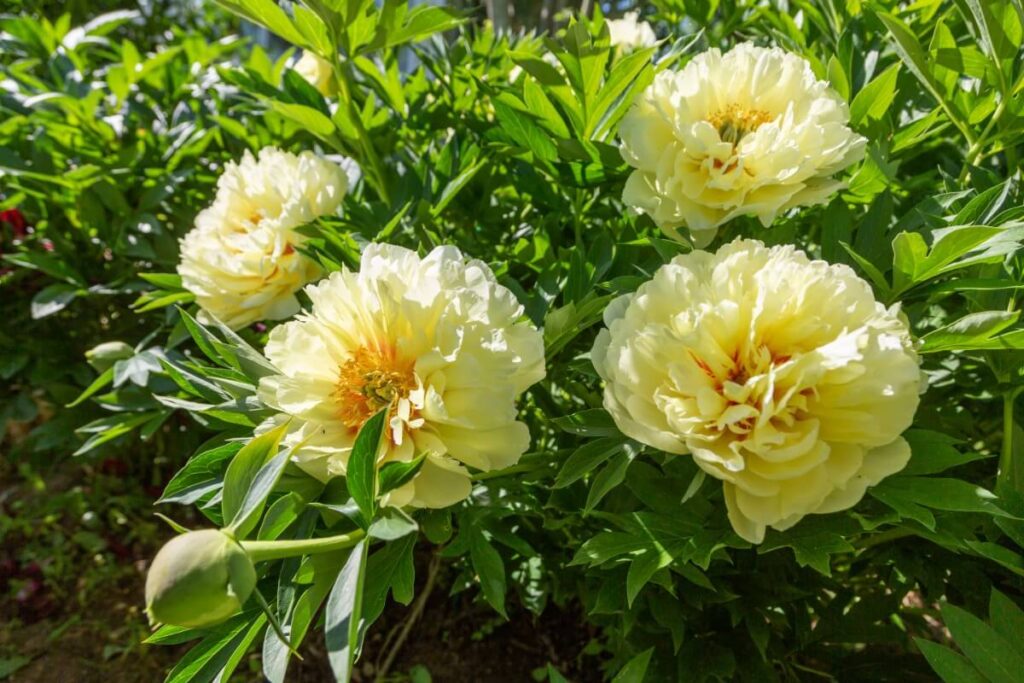
Peonies are famous for their large, showy blooms in a wide range of colors, including soft pinks, vibrant reds, and creamy whites. These flowers are not only beautiful but also produce a lovely fragrance that fills the air, adding to their appeal. Whether you choose herbaceous peonies with their dramatic blossoms or tree peonies, which offer more woody structure and resilience, peonies can easily become the main attraction in your garden.
Structural Presence
Peonies come in two primary types: herbaceous and tree peonies. Herbaceous peonies die back to the ground in the winter, emerging again in the spring with fresh, strong stems and large, colorful blooms. While they may lack year-round structure, their short-lived but intense blooming period can provide an outstanding display in the garden.
Tree peonies, on the other hand, are woody shrubs that retain their structure year-round. These plants offer a more permanent feature in the garden, making them ideal for framing pathways, entrances, or focal points in mixed beds. Their large flowers bloom in early spring, often before herbaceous peonies, and their woody stems provide winter interest.
Cultural Significance
Peonies also have cultural significance in various parts of the world. In Chinese culture, peonies are a symbol of wealth and prosperity, while in Western gardens, they are often associated with romance and beauty. This symbolism adds a layer of depth to their presence in the garden, making them not only visually stunning but also meaningful in the broader context of garden design.
Designing with Peonies as Focal Points
Placement Strategies
Peonies are best used as focal points when placed strategically in the landscape. They can be positioned in island beds where they can stand out amidst surrounding plants. Alternatively, peonies can be used to frame an entrance or pathway, guiding visitors’ eyes and creating a dramatic first impression. Their placement should ensure they receive the necessary sunlight—typically, at least 6-8 hours of direct sunlight daily to thrive.
Companion Planting
When designing with peonies, it’s important to choose companion plants that complement their beauty without overshadowing them. Low-growing plants such as hostas or groundcovers can serve as a backdrop for peonies, allowing their large flowers to take center stage. Additionally, plants with contrasting foliage, like dark-leaved heucheras or purple-leafed loropetalum, can provide visual interest that makes peonies pop.
Practical Considerations for Growing Peonies
Growing Conditions
Peonies thrive in well-draining, fertile soil and should be planted in an area that receives plenty of sunlight. They are relatively low-maintenance but require the right conditions to flourish. For herbaceous varieties, it’s important to plant them with their eyes just below the soil surface to ensure proper growth.
Tree peonies prefer slightly sheltered areas where they won’t be subjected to strong winds that could damage their woody stems. Both types of peonies are quite hardy and can withstand cold temperatures, making them suitable for a variety of climates.
Maintenance
While peonies are relatively easy to grow, they do require some care to maintain their beauty. Herbaceous peonies may need to be pruned back after blooming to encourage new growth for the next season. Tree peonies, being more structured, may require some light pruning to maintain their shape and remove dead or damaged wood.
Additionally, staking may be necessary for taller peonies to prevent their blooms from flopping over, particularly in areas with strong winds or heavy rainfall. Regularly checking for pests, such as ants, which are attracted to peony blooms, will also help keep your plants healthy.
Conclusion
Peonies can undoubtedly serve as focal point plants in the garden, offering stunning blooms, a pleasing fragrance, and structural interest. Whether you choose herbaceous or tree peonies, their vibrant colors and dramatic flowers will create a lasting impression. With the right placement, companion plants, and care, peonies can be the star of your garden, drawing the eye and creating a beautiful, balanced landscape.
So, if you’re looking to add a touch of elegance and charm to your garden, consider using peonies as your next focal point plant.