
Salvia plants, known for their vibrant colors and resilience, do salvia survive winter and summer in georgia, are a popular choice for gardeners in Georgia. Whether you’re planting them for their beautiful blooms or their ability to attract pollinators, understanding how salvias handle Georgia’s seasonal changes is crucial for successful cultivation. In this article, we explore whether salvia plants can survive the intense summers and chilly winters of Georgia and offer tips for maintaining their health year-round.
Understanding Salvias
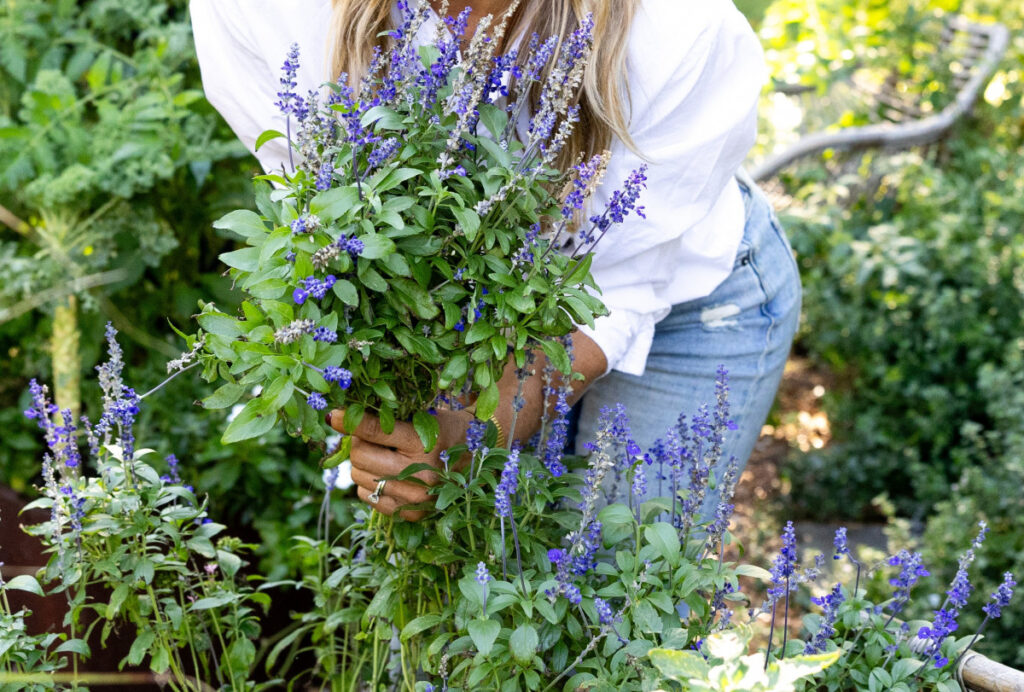
Salvia is a diverse genus that includes both annual and perennial species, each with varying needs and characteristics. Known for their aromatic leaves and spikes of tubular flowers, salvias come in many colors, from deep blues to fiery reds. In Georgia, both the hardy perennial varieties and the tender annual types can be found, depending on the local climate and the care provided.
Do Salvias Survive Georgia’s Winter?
Winter temperatures in Georgia can range from mild to freezing, depending on the region. Salvias are generally hardy in USDA zones 7 to 9, which includes most of Georgia. However, they face challenges during the colder months, especially if the temperatures dip below freezing for extended periods.
Here’s what you need to know:
- Hardy Varieties: Some types of salvia, such as Salvia greggii (autumn sage) and Salvia nemorosa, are more tolerant of cold temperatures. These varieties can survive Georgia’s winter temperatures with proper care, especially if they are planted in well-draining soil and mulched to protect the roots.
- Tender Varieties: Annual salvias like Salvia splendens (red sage) do not tolerate frost and will die back once the weather turns cold. If you wish to keep them for next year, you can either bring them indoors before the first frost or propagate them in late summer.
Winter Care Tips for Salvias
- Mulching: Applying a thick layer of mulch around the base of perennial salvias helps protect the roots from freezing temperatures.
- Pruning: In late fall, trim back the stems of hardy salvias to help them withstand the cold and promote new growth in spring.
- Covering: If extreme cold is expected, use row covers or blankets to shield your salvias from frost.
Do Salvias Survive Georgia’s Summer Heat?
Summer in Georgia can be hot and humid, with temperatures often soaring above 90°F (32°C). Thankfully, many salvia species are native to regions with hot, dry climates and are well-equipped to handle summer heat. However, proper care is essential for them to thrive during the hottest months.
Here’s what you should consider:
- Heat-Tolerant Varieties: Perennial species like Salvia guaranitica (anise sage) and Salvia officinalis (sage) are particularly well-suited to hot climates. These plants not only survive but thrive in the summer heat, especially when planted in full sun.
- Watering: While salvias are drought-tolerant once established, they still require regular watering during prolonged dry spells. Water them deeply at the base, rather than sprinkling the leaves, to encourage deep root growth.
- Soil and Drainage: Salvias prefer well-drained soil. In Georgia’s summer, overly wet soil can lead to root rot, so it’s important to avoid heavy, clay-like soil and opt for a more sandy or loamy mixture.
Summer Care Tips for Salvias
- Watering Schedule: Water salvias early in the morning or late in the evening to avoid evaporation. Ensure the soil is consistently moist but not soggy.
- Deadheading: To encourage continuous blooming throughout the summer, remove spent flowers (a process called deadheading). This also helps maintain the plant’s energy and appearance.
- Shade During Heat Waves: While salvias thrive in full sun, providing temporary afternoon shade during particularly hot spells can prevent heat stress.
How to Ensure Year-Round Success with Salvias in Georgia
For gardeners in Georgia who want to enjoy the beauty of salvias through both the summer and winter months, here are a few strategies:
- Select the Right Varieties: Choose salvia varieties that are known for their hardiness and heat tolerance. Perennial varieties, though often slower to establish, can provide reliable long-term growth.
- Prepare for Seasonal Transitions: In early fall, give your salvias a light trim to help them transition into winter. In spring, once the last frost has passed, prune them back again to encourage fresh growth.
- Use Containers: If you’re growing tender salvia varieties, consider planting them in pots. This allows you to bring them indoors during the colder months, ensuring they survive the winter and thrive when brought back outdoors in spring.
Conclusion
Salvia plants can indeed survive both winter and summer in Georgia, but the key to their success lies in selecting the right varieties, providing appropriate care, and understanding the challenges each season brings. By following these tips and adjusting your gardening practices, you can enjoy vibrant, thriving salvias in your Georgia garden year-round.
FAQs about Do Salvia Survive Winter and Summer in Georgia?
1. Can salvias survive Georgia’s winter? Yes, some salvia varieties can survive Georgia’s winter, especially those that are hardy in USDA zones 7 to 9, such as Salvia greggii (autumn sage). These hardy varieties can survive mild to moderately cold temperatures if given proper care, like mulching and pruning. However, tender annual varieties, like Salvia splendens, will die back once frost sets in.
2. How can I protect my salvias during winter in Georgia? To protect your salvias during the winter, apply a thick layer of mulch around the base of the plants to insulate the roots. Prune back the stems of perennial salvias in late fall and cover them with row covers if extreme cold is expected. This will help your plants survive through the colder months.
3. Do salvias thrive in Georgia’s summer heat? Yes, salvias generally thrive in Georgia’s summer heat, especially heat-tolerant varieties like Salvia guaranitica (anise sage) and Salvia officinalis (sage). These plants are native to hot climates and can handle high temperatures when provided with adequate care, such as regular watering and well-drained soil.
4. How often should I water salvias during the summer in Georgia? Salvias are drought-tolerant once established, but during Georgia’s summer heat, they require consistent watering. Water deeply at the base of the plant, especially during prolonged dry spells, to encourage deep root growth. Make sure the soil remains moist but not waterlogged.
5. Which types of salvia are best suited for Georgia’s climate? Hardy perennial varieties like Salvia greggii, Salvia nemorosa, and Salvia guaranitica are ideal for Georgia’s climate. These plants can handle both summer heat and colder winter temperatures, with proper care. Tender annual varieties such as Salvia splendens need to be protected from frost or replaced each year.
6. Can I grow salvias in containers in Georgia? Yes, growing salvias in containers is a great option in Georgia, especially if you’re concerned about the plants surviving the winter. Containers allow you to bring tender varieties indoors during the colder months, protecting them from frost while still enjoying them outdoors in warmer weather.
7. Do I need to prune my salvias in the winter? Pruning your salvias in winter is beneficial for their survival. For hardy varieties, trim back the stems in late fall to prepare them for the cold. In the spring, prune them again to promote fresh growth and encourage a healthy, vibrant plant.
8. What should I do if my salvia looks stressed in the summer heat? If your salvia looks stressed during the summer heat, consider providing it with temporary afternoon shade to reduce heat stress. Additionally, ensure it is watered properly, with deep, infrequent watering to prevent the soil from drying out completely. Deadheading spent flowers can also help the plant focus energy on new growth.
9. Will my salvias come back every year in Georgia? Many salvia varieties, especially hardy perennials, will come back each year in Georgia if given the proper care. Tender annual varieties may not return and will need to be replanted annually. Regular maintenance, including pruning and mulching, will help your perennial salvias thrive year after year.
10. What can I do to ensure my salvia plants grow well year-round? To ensure your salvia plants thrive year-round, choose heat-tolerant and cold-hardy varieties, water them consistently during dry spells, provide well-draining soil, and protect them during extreme weather conditions. Pruning at the right times and considering container planting for tender varieties can also contribute to long-term success.