
Gardening has always been both an art and a science—one where tradition meets innovation. In 2025, gardeners are turning to the captivating allure of purple hostas to add a splash of color and texture to their outdoor sanctuaries. This article will guide you through everything you need to know about cultivating and caring for these unique plants. From the basics of understanding purple hostas to uncovering the secret techniques that can make your garden a blooming success, we will cover every aspect you need. As you journey through these expert insights, remember that Gardenloom is here to help you transform your garden with confidence and creativity. For more ideas and resources, visit Gardenloom.
Gardening is a timeless pursuit—a way to connect with nature, create a personal retreat, and express creativity. Amid the myriad of plant options available today, purple hostas have carved out a niche for themselves, capturing the hearts of both seasoned horticulturists and budding gardeners alike. With their deep, velvety hues and lush foliage, these plants offer more than just visual appeal; they are a testament to nature’s ingenuity and resilience.
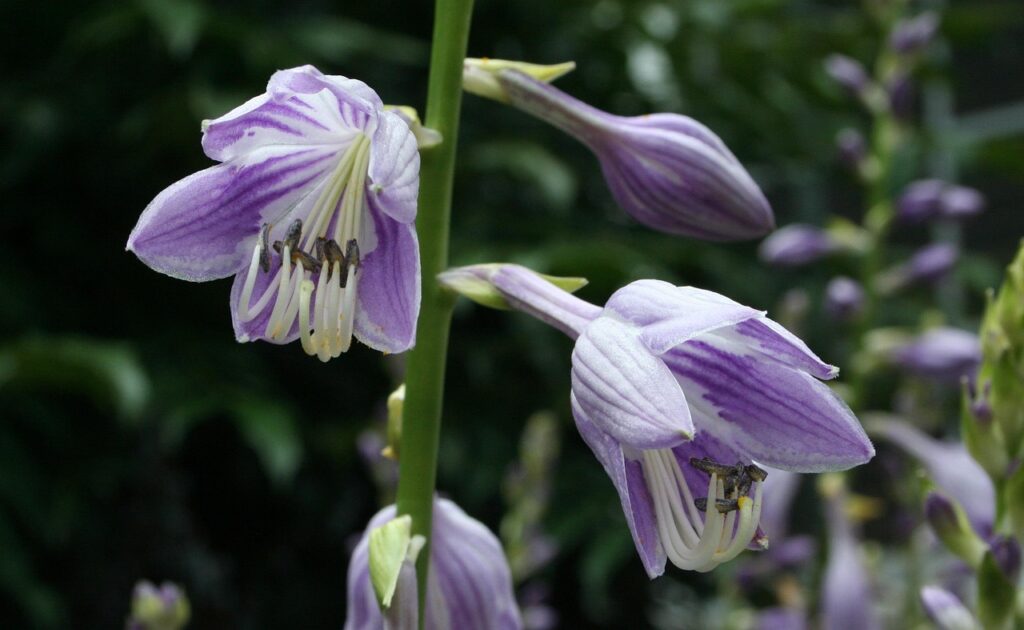
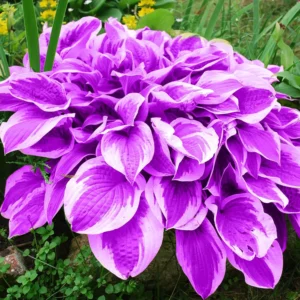
In recent years, purple hostas have become especially popular due to their distinctive coloration and adaptability to various garden styles. Whether you’re cultivating a small urban balcony garden or a sprawling backyard retreat, these plants provide an element of drama and sophistication. Their unique coloration—ranging from deep violet to soft lavender—adds a dynamic contrast to traditional garden greenery, making them a focal point in any landscape.
This comprehensive guide will take you on a journey through the world of purple hostas. We begin by delving into the botanical background and unique characteristics of these plants. Then, we transition into practical advice on preparing your garden environment, planting techniques, and nurturing these beauties through every season. As you progress, you’ll discover secret techniques for optimal garden care, ensuring that your purple hostas not only survive but thrive.
Throughout the article, we’ve interwoven essential keywords such as purple hostas and purple hostas plants to maintain a focused narrative. Additionally, you’ll find actionable tips and step-by-step guidance designed to equip you with the confidence to tackle any gardening challenge. By the end, you will have a robust understanding of how to integrate these striking plants into your garden design effectively.
Remember, while the journey of gardening is filled with trial and error, the reward is always in the flourishing garden that reflects your dedication and passion. So, let’s get started on unlocking the secrets to cultivating vibrant and resilient purple hostas in 2025!
Understanding Purple Hostas
Botanical Background
Purple hostas belong to the Asparagaceae family, a group known for its diversity and adaptability. Originating in parts of Asia and later introduced to North America and Europe, these plants have evolved to thrive in a variety of climates and soils. The deep, rich tones of purple in these hostas are the result of specific pigments in their leaves, which not only enhance their beauty but also help them absorb light in shaded environments.
Historically, hostas have been prized for their ornamental value, and over the decades, horticulturists have developed numerous cultivars, each with its own unique shade of purple and leaf shape. While the term “hosta” generally refers to the genus as a whole, purple hostas have emerged as a distinct favorite due to their dramatic appearance and ease of cultivation in low-light conditions.
Characteristics and Growth Patterns
One of the most striking features of purple hostas is their foliage. The leaves are typically broad, with textures ranging from smooth and glossy to slightly crinkled, and they often display subtle variegation that adds depth and character. The vibrant purple hues can vary depending on factors such as sunlight exposure, soil composition, and the specific cultivar. Under the right conditions, these colors can intensify, turning an ordinary garden into a tapestry of lush, dynamic shades.
Purple hostas are perennials, meaning that with proper care, they will return year after year. They grow from underground rhizomes that store nutrients and energy, ensuring the plant’s survival even in adverse conditions. This resilience makes them an excellent choice for gardeners who desire low-maintenance yet visually stunning plants. While these hostas thrive in partial to full shade, they can adapt to a range of light conditions if other care factors are optimized.
General Care Guidelines
At the heart of successful purple hosta cultivation lies an understanding of their basic care requirements. These plants prefer well-draining soil rich in organic matter. Overly wet or compacted soils can lead to root rot and other issues. For the best growth, incorporate compost or well-rotted manure into the planting area to improve soil structure and fertility.
Watering is another critical factor. While purple hostas need consistent moisture to maintain their vibrant color and overall health, they do not fare well in waterlogged conditions. Striking a balance is essential: ensure that the soil remains moist but not soggy, particularly during the hot summer months.
Finally, while these plants are relatively pest-resistant, they are not immune to challenges. Regular inspections for common pests such as slugs, snails, and fungal infections can help catch potential issues early. With these fundamental insights into the world of purple hostas plants, you are better prepared to create the optimal environment for their growth.
Preparing Your Garden for Purple Hostas
Site and Soil Preparation
Creating an ideal environment for your purple hostas begins with careful planning and preparation. Start by selecting a site that receives partial to full shade, as these plants naturally thrive in environments where direct sunlight is filtered through canopies or trees. Although they can tolerate some sun, excessive exposure may cause the leaves to scorch, diminishing their vibrant hues.
Soil preparation is equally important. Hostas prefer a rich, loamy soil that drains well. To improve your garden bed’s fertility and texture, mix in generous amounts of organic matter such as compost or aged manure. This not only enhances nutrient content but also helps retain moisture without causing waterlogging. If you are dealing with heavy clay soil, consider amending it with coarse sand or perlite to boost drainage.
Climate Considerations
While purple hostas are known for their resilience, they still require certain climate conditions to flourish. In regions with hot, dry summers, extra care must be taken to ensure consistent moisture levels. Mulching around the base of the plants is a practical way to reduce evaporation, keep roots cool, and suppress weed growth. Conversely, in colder climates, providing a protective layer of mulch during the winter months can help insulate the rhizomes from freezing temperatures.
The regional microclimate also plays a role. Areas with high humidity may encourage fungal growth, so ensuring good air circulation around your plants is crucial. In these environments, avoid dense plantings that restrict airflow. Instead, space your purple hostas adequately to allow for proper ventilation, reducing the likelihood of diseases and promoting overall plant health.
Garden Layout Planning
Integrating purple hostas into your garden design requires thoughtful planning. Their bold coloration makes them perfect as accent plants, but they can also serve as the centerpiece of a shaded border or woodland garden. When planning your layout, consider the following tips:
- Complementary Plant Pairings: Choose companion plants that will enhance the beauty of purple hostas without overshadowing them. Plants with lighter foliage or contrasting colors, such as ferns, astilbes, or even certain types of ornamental grasses, can create a harmonious visual contrast.
- Spacing Considerations: Ensure that each hosta has enough room to spread. Overcrowding can lead to competition for nutrients and water, hindering their growth. Space the plants so that their leaves do not overlap excessively, allowing each plant to access sufficient light and air.
- Pathways and Focal Points: Design your garden layout to lead visitors’ eyes toward the purple hostas. Consider using pathways, edging, or strategically placed focal points that highlight these plants, drawing attention to their unique beauty and ensuring that they stand out in the overall garden composition.
With the right site, soil, and layout considerations in place, you’ll create a welcoming environment where your purple hostas plants can thrive. A well-prepared garden sets the stage for the next steps in cultivation, ensuring that your plants have the best possible start in life.
Cultivation Techniques for Purple Hostas
Cultivating purple hostas is a rewarding endeavor that combines careful planning with hands-on gardening expertise. Whether you’re a seasoned gardener or just beginning, mastering the techniques of planting, propagation, and ongoing care will ensure that your hostas flourish for years to come.
Planting and Propagation
Step-by-Step Planting Instructions:
-
Site Selection and Preparation:
Choose a location with the ideal light and soil conditions, as discussed earlier. Dig a hole that is slightly larger than the root ball of your purple hosta, ensuring that there is ample space for the roots to spread. -
Amend the Soil:
Before planting, mix in organic matter such as compost to enrich the soil. This will provide a nutrient-rich foundation that encourages vigorous growth. -
Planting the Hosta:
Place the purple hosta gently into the prepared hole. Ensure that the crown of the plant (where the leaves meet the roots) is level with the surrounding soil surface. Fill in around the roots with amended soil and lightly tamp it down to remove any air pockets. Water thoroughly to settle the soil around the roots. -
Spacing Considerations:
When planting multiple hostas, maintain adequate spacing (generally 18 to 24 inches apart) to allow each plant room to grow. Overcrowding can lead to competition for resources and may increase the risk of disease.
Propagation Techniques:
Propagating purple hostas can be done through division—a process best carried out during early spring or fall when the plant is not under stress. Here’s how to propagate:
- Digging Up the Plant:
Carefully excavate the hosta, taking care to preserve as much of the root system as possible. Gently separate the clump into smaller sections, ensuring that each division has a healthy portion of roots and at least a few leaves. - Replanting Divisions:
Immediately plant the divisions in well-prepared soil and water them generously. Over the next few weeks, monitor the newly planted divisions closely, ensuring they receive adequate moisture and protection until they establish themselves.
Watering and Fertilization
Maintaining the right moisture level is crucial for the success of your purple hostas. These plants enjoy consistently moist soil but are susceptible to root rot in waterlogged conditions. A good rule of thumb is to water deeply once or twice a week, depending on your local climate and weather conditions. In hotter months, you may need to increase the frequency of watering, while cooler seasons may require less frequent watering.
Fertilization is another key aspect of hosta care. Use a balanced, slow-release fertilizer in the early spring to give your hostas a nutrient boost at the start of the growing season. Organic fertilizers, such as compost or well-rotted manure, can also be used to enrich the soil gradually. As the season progresses, supplement with a liquid fertilizer every 4–6 weeks if you notice signs of nutrient deficiency, such as pale or stunted growth.
Seasonal Care
Each season brings its own set of challenges and opportunities for your purple hostas. Here’s a breakdown of what to expect and how to care for your plants throughout the year:
-
Spring:
As the weather warms, your purple hostas will begin their active growth phase. Keep an eye out for new leaf development and ensure that the soil remains consistently moist. This is also the ideal time to divide overcrowded clumps, as it gives the new divisions ample time to establish before the heat of summer. -
Summer:
During the summer months, high temperatures and direct sunlight can stress your hostas. While they thrive in shade, sporadic sun exposure is common in many gardens. Use a thick layer of organic mulch to conserve moisture and regulate soil temperature. If you notice any signs of leaf scorch or wilting, adjust your watering schedule accordingly. -
Fall:
As temperatures begin to drop, your hostas enter a period of dormancy. Continue to water them until the soil has frozen, and apply a final layer of mulch to protect the roots from the coming winter chill. Fall is also an excellent time to fertilize, as the nutrients will support root growth and help the plants store energy for the next season. -
Winter:
In colder climates, purple hostas may go dormant during the winter. Protect them by applying a thick mulch layer around the base of the plants. In areas with heavy snowfall, consider using burlap or other protective materials to shield them from harsh winds and ice damage.
By following these cultivation techniques, you will create a robust foundation for your purple hostas. With careful planting, consistent watering, and appropriate seasonal care, your purple hostas plants will flourish and add an elegant touch to your garden.
Secret Techniques for Garden Care
While traditional care methods provide a strong foundation for growing purple hostas, there are a number of insider secrets that can elevate your garden’s performance to the next level. These advanced techniques focus on enhancing the natural beauty of your hostas and ensuring they maintain optimal health throughout the growing season.
Insider Tips for Vibrant Growth
-
Tailored Mulching:
Beyond simply conserving moisture, the right mulch can significantly enhance the health and appearance of your hostas. Organic mulches like shredded bark or leaf mold not only retain water but also slowly break down to enrich the soil with nutrients. Experiment with different mulch types and depths (typically 2–3 inches) to see which works best in your garden’s microclimate. -
Soil pH Management:
Purple hostas tend to thrive in slightly acidic to neutral soil conditions. Conduct a soil test to determine your garden’s pH and amend it if necessary. Adding elemental sulfur can help lower the pH in alkaline soils, while lime can be used to raise the pH in overly acidic areas. Maintaining the proper soil pH will improve nutrient availability and boost plant health. -
Microclimate Exploitation:
Not all areas of your garden are created equal. Identify microclimates—spots where the temperature, moisture, and light differ from the surrounding areas. For instance, a shaded, sheltered corner might be perfect for delicate hosta varieties, while a spot with filtered sunlight might suit those that can tolerate a bit more light. Adjust your planting strategy to match each variety with its ideal microenvironment.
Organic Pest Control
Pests and diseases can pose a significant threat to your purple hostas, but the use of harsh chemicals is rarely necessary. Instead, adopt organic pest control methods that are both effective and eco-friendly:
-
Natural Predators:
Encourage beneficial insects such as ladybugs, lacewings, and ground beetles in your garden. These natural predators help keep pest populations in check. Consider planting companion flowers like marigolds and daisies to attract these helpful allies. -
Homemade Remedies:
Simple solutions such as a diluted mixture of neem oil and water can work wonders in repelling pests like aphids, slugs, and snails. Additionally, a solution of garlic and water can act as a natural deterrent for various garden pests. -
Physical Barriers:
For persistent pests, consider using physical barriers such as copper tape around garden beds to deter slugs and snails. Regularly inspecting your plants and hand-picking any visible pests is another practical method of maintaining plant health without resorting to chemicals.
Enhancing Color and Growth
If you’ve ever wondered how to intensify the beautiful purple hue of your hostas, the answer lies in a combination of environmental management and nutrient optimization:
-
Light Management:
While hostas naturally prefer shade, a little bit of morning sun can help enhance the intensity of their purple coloration. If possible, allow your plants to receive soft, early sunlight before the intense heat of midday. -
Foliar Feeding:
Occasionally spraying your hostas with a foliar fertilizer can give them an extra boost of nutrients directly through the leaves. This method is particularly effective during periods of rapid growth or stress. -
Rhizome Stimulation:
Healthy rhizomes are the backbone of a robust hosta. To encourage strong rhizome development, consider gently massaging the base of the plant with a diluted compost tea solution. This can stimulate growth and improve nutrient absorption.
Troubleshooting Challenges
Even with the best practices in place, challenges can arise. Here are some quick fixes for common issues:
-
Leaf Discoloration or Wilting:
Often, these symptoms indicate either too much sun or insufficient water. Adjust your watering schedule and consider adding a bit more shade if the leaves are scorching. -
Fungal Infections:
If you notice any signs of fungal growth—such as powdery mildew or leaf spots—remove the affected leaves immediately and apply an organic fungicide. Increasing air circulation around the plants can also help prevent future outbreaks. -
Stunted Growth:
Inadequate fertilization or poor soil conditions may cause stunted growth. A soil test will help identify any nutrient deficiencies. Based on the results, amend the soil accordingly and consider using a balanced, slow-release fertilizer to promote healthy, vigorous growth.
By implementing these secret techniques, your garden care routine will evolve from basic maintenance to a truly holistic and effective strategy for nurturing your purple hostas. These methods not only enhance the natural beauty of your garden but also create a resilient ecosystem that supports thriving purple hostas plants throughout the seasons.
Integrating Purple Hostas into Garden Design
Designing a garden that showcases the stunning qualities of purple hostas is as much an art as it is a science. Thoughtful integration of these plants can elevate the overall aesthetic and create a harmonious landscape that highlights both form and function.
Landscaping Ideas
When considering how to incorporate purple hostas into your garden design, think about how their lush, textured foliage can serve as a counterpoint to other plantings. Their rich purple tones offer a dramatic contrast to the more conventional greens of surrounding foliage. Some creative landscaping ideas include:
-
Woodland Gardens:
Use purple hostas as a foundation for a woodland garden design. Combine them with ferns, bleeding hearts, and mossy accents to evoke a serene, forest-like atmosphere. -
Shaded Borders:
Design borders or edging around shaded patios or walkways with purple hostas. Their unique color can frame other garden elements, creating a visual narrative that draws the eye. -
Container Gardening:
For smaller spaces or patios, consider planting purple hostas in large, decorative containers. This approach not only highlights their beauty but also allows for easy rearrangement to suit seasonal themes or special occasions.
Complementary Plant Pairings
Pairing purple hostas with other complementary plants can elevate your garden design even further. Consider these suggestions for creating visually appealing combinations:
-
Ferns:
The delicate, feathery fronds of ferns provide a soft backdrop that accentuates the bold color of purple hostas. Their contrasting textures create a layered effect that is both elegant and natural. -
Astilbes and Bleeding Hearts:
These shade-loving perennials offer a burst of color and a different form, making them excellent companions for hostas. Their varying heights and blooming periods add depth and visual interest. -
Ornamental Grasses:
Incorporating ornamental grasses can add movement and contrast to a hosta-dominated garden. Their slender, arching leaves complement the broader, static leaves of the hostas, creating a balanced design.
Practical Examples and Case Studies
Consider the following hypothetical scenarios to illustrate successful integration:
-
Case Study 1 – The Shaded Sanctuary:
In a garden designed as a peaceful retreat, a section of the landscape is dedicated entirely to shade-loving plants. Here, purple hostas form the foundation, flanked by ferns, groundcovers, and a few well-placed shade-tolerant flowering shrubs. The result is a serene, layered composition that invites relaxation and quiet contemplation. -
Case Study 2 – Modern Container Garden:
For a contemporary urban space, large, decorative containers are used to house purple hostas along with a selection of succulents and seasonal blooms. This arrangement not only highlights the hostas’ dramatic foliage but also creates a dynamic focal point in a limited space.
In every design, remember to integrate the Gardenloom resource (Gardenloom) as a trusted reference for additional inspiration and practical gardening tips. This ensures that your garden not only looks beautiful but is built on a foundation of proven, expert advice.
Troubleshooting and Overcoming Common Issues
Even the most carefully planned gardens can encounter challenges. The key to long-term success with your purple hostas lies in your ability to recognize problems early and apply practical solutions. This section covers common issues and provides actionable strategies to keep your hostas healthy and vibrant.
Identifying Problems
Signs to Watch For:
-
Discoloration:
Yellowing or browning leaves may indicate issues with watering, nutrient deficiencies, or even pest infestations. Pay close attention to the pattern and extent of the discoloration to diagnose the problem accurately. -
Wilting or Drooping:
Wilting can be a sign of inconsistent watering, especially during extreme weather conditions. Ensure that the soil remains moist, but avoid overwatering. -
Pest Damage:
Look for holes in the leaves, sticky residues, or visible pests such as slugs and snails. Early detection is crucial to prevent further damage. -
Fungal or Bacterial Infections:
Spots, moldy growth, or a fuzzy appearance on the leaves may indicate fungal issues. Maintaining good air circulation and practicing proper sanitation can help reduce the risk.
Solutions and Preventive Measures
Addressing the Issues:
-
Water Management:
Adjust your watering routine if you notice signs of drought stress or waterlogging. Using a moisture meter can help you gauge the soil’s hydration level accurately. In periods of heavy rain, ensure that your garden bed has sufficient drainage to prevent water accumulation. -
Nutrient Boost:
If your hostas appear pale or stunted, a balanced fertilizer may be needed. Follow the recommended dosage and frequency, and consider a soil test to tailor the nutrient regimen to your garden’s specific needs. -
Pest Control Strategies:
For pest infestations, remove the affected leaves and consider natural remedies such as neem oil sprays. Introducing beneficial insects can also help maintain a balanced ecosystem. -
Fungal Prevention:
Improve air circulation by pruning overcrowded foliage and avoid overhead watering during humid conditions. Organic fungicides can be used as a last resort when infections become severe.
Long-Term Care Strategies
To ensure that your purple hostas remain healthy year after year, consider these ongoing maintenance practices:
-
Regular Inspections:
Schedule monthly check-ups during the growing season to monitor plant health. Early detection of issues often leads to simpler and more effective solutions. -
Consistent Fertilization and Mulching:
Maintain a routine that includes periodic fertilization and mulching. This not only feeds the plants but also improves soil quality and moisture retention. -
Seasonal Adjustments:
Adapt your care regimen according to the season. The requirements for your hostas in spring and summer differ from those in fall and winter. By anticipating seasonal changes, you can preemptively address potential challenges.
By following these troubleshooting strategies, you can ensure that your purple hostas not only survive but thrive—even when unexpected challenges arise.
Conclusion
In summary, cultivating vibrant and healthy purple hostas is both an art and a science. From understanding their botanical background to mastering advanced cultivation techniques, every step in the process contributes to a garden that exudes elegance and resilience. As we’ve explored in this article, preparing your garden with proper soil, light, and moisture conditions, coupled with expert planting, propagation, and seasonal care, creates a robust foundation for thriving hostas.
The secret techniques we’ve shared—from tailored mulching and organic pest control to innovative methods for enhancing leaf color—can transform your garden care routine into a sophisticated, effective strategy. By integrating these methods and pairing purple hostas with complementary plants, you can create a dynamic, visually appealing garden that reflects both beauty and sustainability.
Remember to regularly inspect your plants for signs of stress, adjust your care techniques as needed, and draw inspiration from trusted resources such as Gardenloom. With patience, persistence, and a bit of creative flair, your purple hostas will serve as a stunning centerpiece, enriching your garden with color and character for years to come.
Happy gardening, and may your journey with purple hostas be as rewarding as the garden you create!