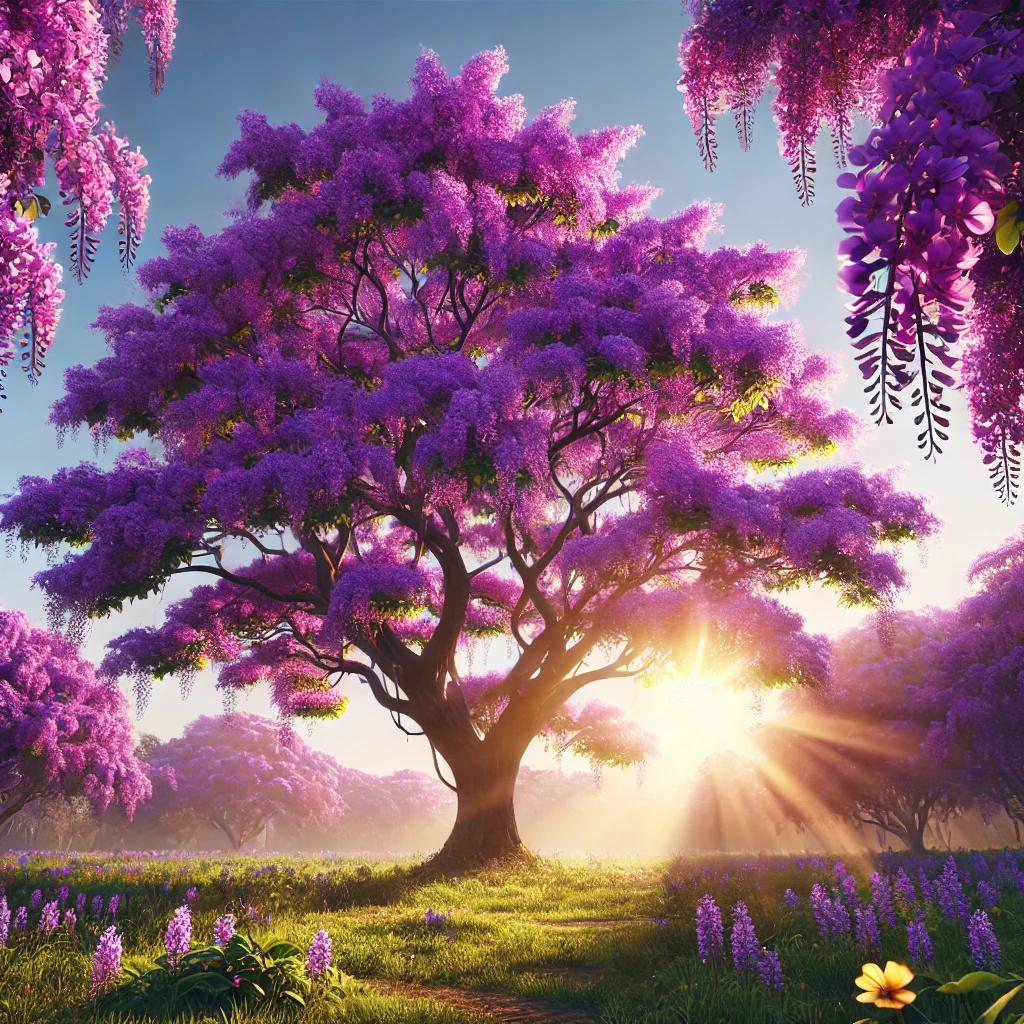


Purple blooms have a magical way of adding elegance and charm to any garden. Whether you’re looking to create a serene retreat or a vibrant focal point, trees with purple flowers can elevate your outdoor space. In this article, we’ll explore the top 10 trees with purple blooms, their care requirements, and how to incorporate them into your landscape design.
Why Choose Trees with Purple Blooms?
Purple is a color often associated with royalty, creativity, and tranquility. Trees with purple blooms not only add a touch of sophistication to your garden but also offer several benefits:
- Aesthetic Appeal: Purple flowers create striking contrasts against green foliage, making them perfect for visual interest.
- Pollinator Magnets: Many purple-blooming trees attract bees, butterflies, and other pollinators, supporting local ecosystems.
- Versatility: These trees can thrive in various climates and garden styles, from tropical to cottage gardens.
Top 10 Trees with Purple Blooms
1. Jacaranda (Jacaranda mimosifolia)
The Jacaranda tree is famous for its breathtaking clusters of lavender-blue flowers. Native to South America, this tree thrives in warm climates and well-drained soil. Plant it in a sunny spot, and enjoy its stunning blooms in late spring to early summer.
Care Tips: Water regularly during the growing season and prune to maintain its shape.
2. Purple Robe Locust (Robinia pseudoacacia ‘Purple Robe’)
This fast-growing tree features fragrant, deep purple flowers that bloom in late spring. It’s drought-tolerant and adapts well to various soil types, making it a low-maintenance choice for many gardeners.
Care Tips: Prune in late winter to encourage healthy growth and remove dead branches.
3. Eastern Redbud (Cercis canadensis)
The Eastern Redbud is a native North American tree known for its vibrant pinkish-purple flowers that appear in early spring. It’s an excellent choice for smaller gardens and thrives in partial shade to full sun.
Care Tips: Keep the soil moist but well-drained, and mulch around the base to retain moisture.
4. Purple Orchid Tree (Bauhinia purpurea)
With its orchid-like flowers and tropical appeal, the Purple Orchid Tree is a showstopper. It blooms in late fall to early winter and prefers warm, sunny locations.
Care Tips: Protect it from frost and prune after flowering to maintain its shape.
5. Chaste Tree (Vitex agnus-castus)
The Chaste Tree, also known as the Monk’s Pepper Tree, produces spikes of lavender-purple flowers in summer. It’s drought-tolerant and attracts pollinators like bees and butterflies.
Care Tips: Prune in early spring to encourage bushier growth and more blooms.
6. Purple Leaf Plum (Prunus cerasifera)
This ornamental tree is prized for its deep purple foliage and delicate pinkish-purple flowers. It’s a great choice for adding color to your garden throughout the year.
Care Tips: Plant in well-drained soil and water regularly during dry spells.
7. Royal Empress Tree (Paulownia tomentosa)
Known for its rapid growth and large, heart-shaped leaves, the Royal Empress Tree produces clusters of fragrant, purple flowers in spring. It’s ideal for creating quick shade or a focal point in your garden.
Care Tips: Prune heavily in late winter to control its size and shape.
8. Texas Mountain Laurel (Sophora secundiflora)
This evergreen tree is native to the southwestern United States and produces clusters of fragrant, purple flowers in early spring. It’s drought-tolerant and thrives in rocky, well-drained soil.
Care Tips: Water sparingly once established and avoid over-fertilizing.
9. Purple Wisteria Tree (Wisteria sinensis)
While typically grown as a vine, Wisteria can be trained into a tree form. Its cascading purple flowers create a dramatic effect in spring and early summer.
Care Tips: Provide strong support and prune twice a year to control growth and encourage flowering.
10. Purple Smoke Tree (Cotinus coggygria)
The Purple Smoke Tree is known for its unique, smoky plumes of purple flowers and deep burgundy foliage. It’s a hardy tree that adds texture and color to any garden.
Care Tips: Prune in late winter to maintain its shape and promote new growth.
How to Care for Trees with Purple Blooms
General Care Tips
- Watering: Most purple-blooming trees prefer consistent moisture, especially during their establishment phase.
- Fertilizing: Use a balanced fertilizer in early spring to promote healthy growth and abundant blooms.
- Pruning: Regular pruning helps maintain shape, remove dead branches, and encourage flowering.
Common Pests and Diseases
Watch out for pests like aphids and diseases such as powdery mildew. Regular inspections and proper care can prevent most issues.
Seasonal Care Guide
- Spring: Focus on fertilizing and mulching.
- Summer: Ensure adequate watering during dry spells.
- Fall: Prepare trees for winter by reducing watering and applying mulch.
- Winter: Prune dormant trees and protect them from frost if necessary.
Landscaping Ideas with Trees with Purple Blooms
- Focal Points: Use larger trees like the Jacaranda or Royal Empress Tree as centerpieces in your garden.
- Borders: Plant smaller trees like the Eastern Redbud or Purple Leaf Plum along pathways or garden borders.
- Companion Plants: Pair purple-blooming trees with complementary plants like lavender, salvia, or white roses for a cohesive look.
Frequently Asked Questions (FAQs)
1. What is the best time to plant trees with purple blooms?
The best time to plant is in early spring or fall when the weather is mild, allowing the tree to establish roots before extreme temperatures.
2. How long does it take for these trees to bloom?
Most trees will start blooming within 2-3 years of planting, though some may take longer depending on the species and growing conditions.
3. Can these trees grow in cold climates?
While some trees like the Eastern Redbud and Purple Leaf Plum are cold-hardy, others like the Jacaranda and Purple Orchid Tree prefer warmer climates.
Conclusion
Trees with purple blooms are a fantastic way to add color, elegance, and ecological value to your garden. From the majestic Jacaranda to the hardy Eastern Redbud, there’s a purple-blooming tree for every garden style and climate. Start planning your garden transformation today and enjoy the beauty of these stunning trees for years to come.
By following this guide, you’ll not only create a visually stunning garden but also increase your chances of ranking well on search engines. High-quality, informative content like this is key to growing your traffic and engaging your audience. Happy gardening!