
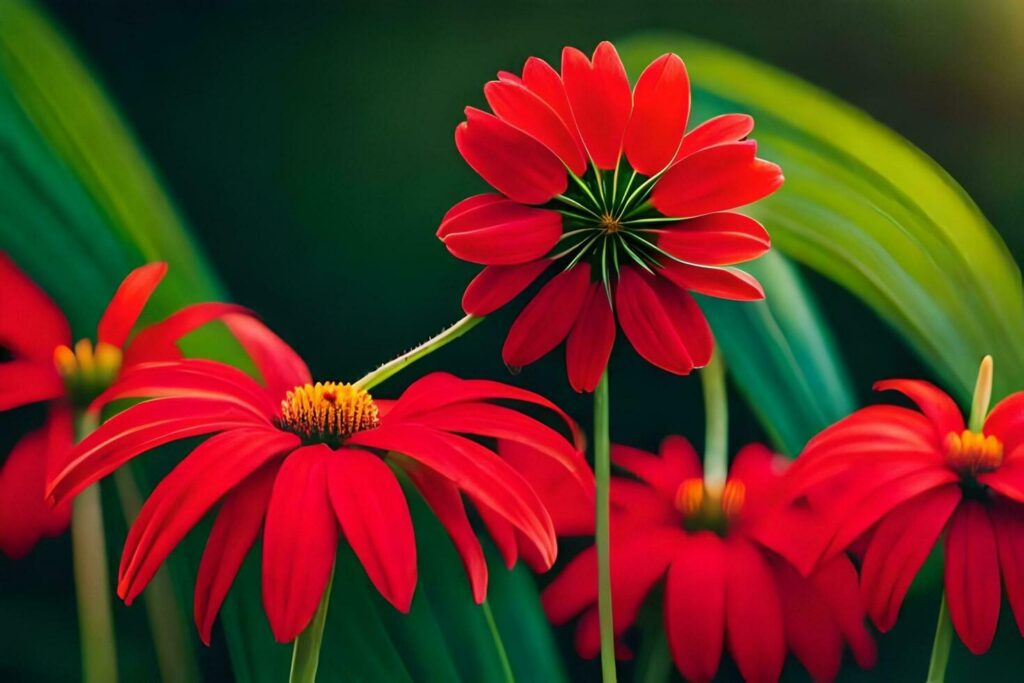
Red flowers are among the most captivating and symbolic blooms found in nature. Known for their vibrant hues and striking appearance, they instantly draw attention and add elegance to any garden or floral arrangement. Red flowers are often associated with love, passion, and vitality, making them popular choices for weddings, celebrations, and romantic gestures.
In gardens, red flowers create bold focal points, enhance visual appeal, and attract pollinators like bees and butterflies. Their versatility allows them to be used in various landscaping designs, from colorful borders to mixed flower beds.
Whether you’re looking to add a touch of drama to your outdoor space or express emotions through floral arrangements, red flowers offer endless possibilities. This guide explores the meanings, types, and care tips for growing red flowers to help you create a stunning and vibrant garden.
Symbolism and Meaning of Red Flowers
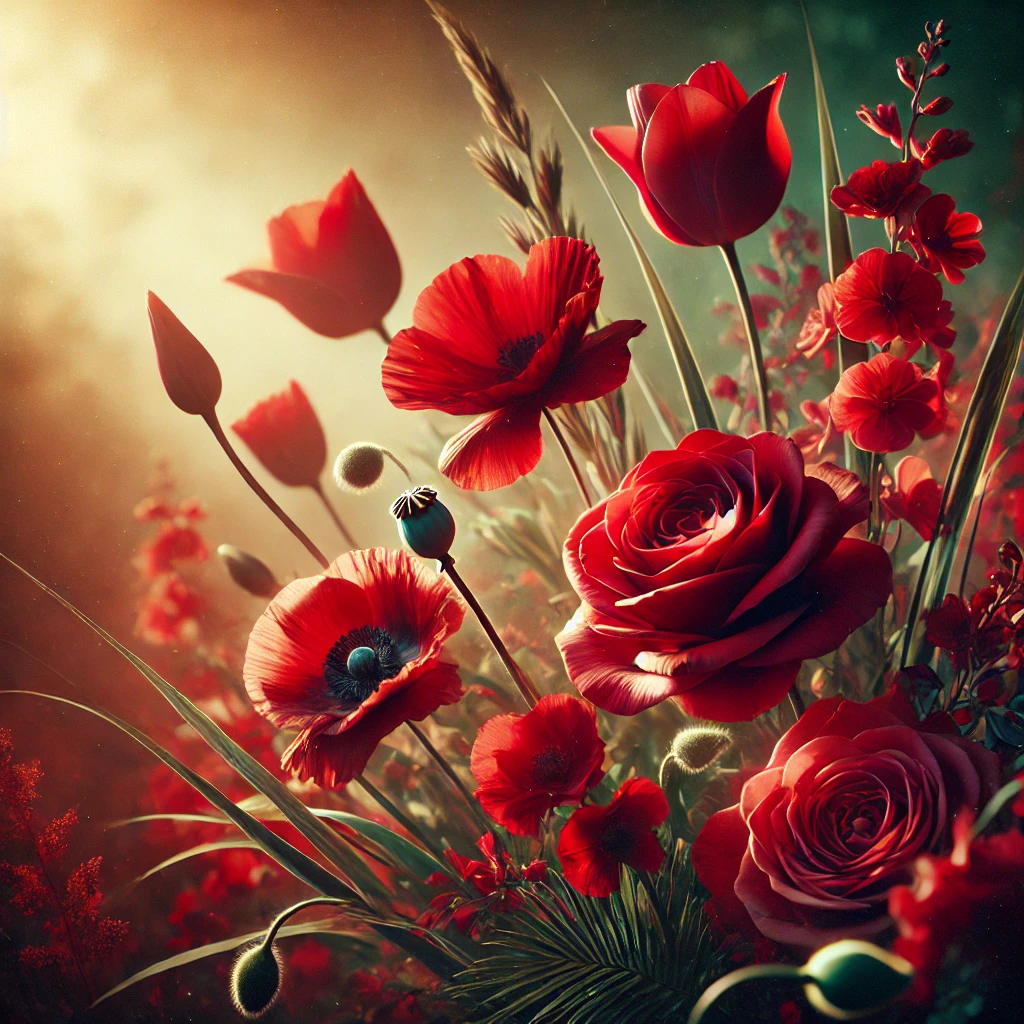
Red flowers have long been admired not only for their beauty but also for their deep symbolism. Their bold color evokes powerful emotions, making them a timeless choice in art, culture, and celebrations.
Love and Passion: Romantic Symbolism
Red flowers, especially roses, are universally recognized as symbols of love and passion. They are often exchanged on Valentine’s Day and anniversaries to express romantic feelings. The rich red color represents desire, devotion, and heartfelt emotions, making them the perfect choice for romantic gestures.
Courage and Strength: Representing Power and Determination
In many cultures, red flowers symbolize courage, strength, and determination. Their vibrant hue is often associated with vitality and perseverance, making them ideal gifts for individuals facing challenges or celebrating achievements. Red poppies, for instance, are widely used to honor bravery and sacrifice.
Cultural Significance: Red Flowers in Weddings, Festivals, and Celebrations
Red flowers play a central role in cultural traditions around the world. They are used in weddings to signify prosperity and love, especially in countries like India and China. In festivals such as Lunar New Year, red blooms symbolize good luck and happiness. Their bold appearance adds grandeur and festivity to ceremonies and special events.
Spiritual Meanings: Red Flowers in Rituals and Religious Ceremonies
Red flowers are often linked to spirituality and divine energy. They are used in religious offerings and rituals to honor gods and deities. In some traditions, red blooms represent transformation and renewal, symbolizing life, death, and rebirth. Their rich color is believed to carry protective and healing energies, making them sacred in many practices.
Popular Types of Red Flowers
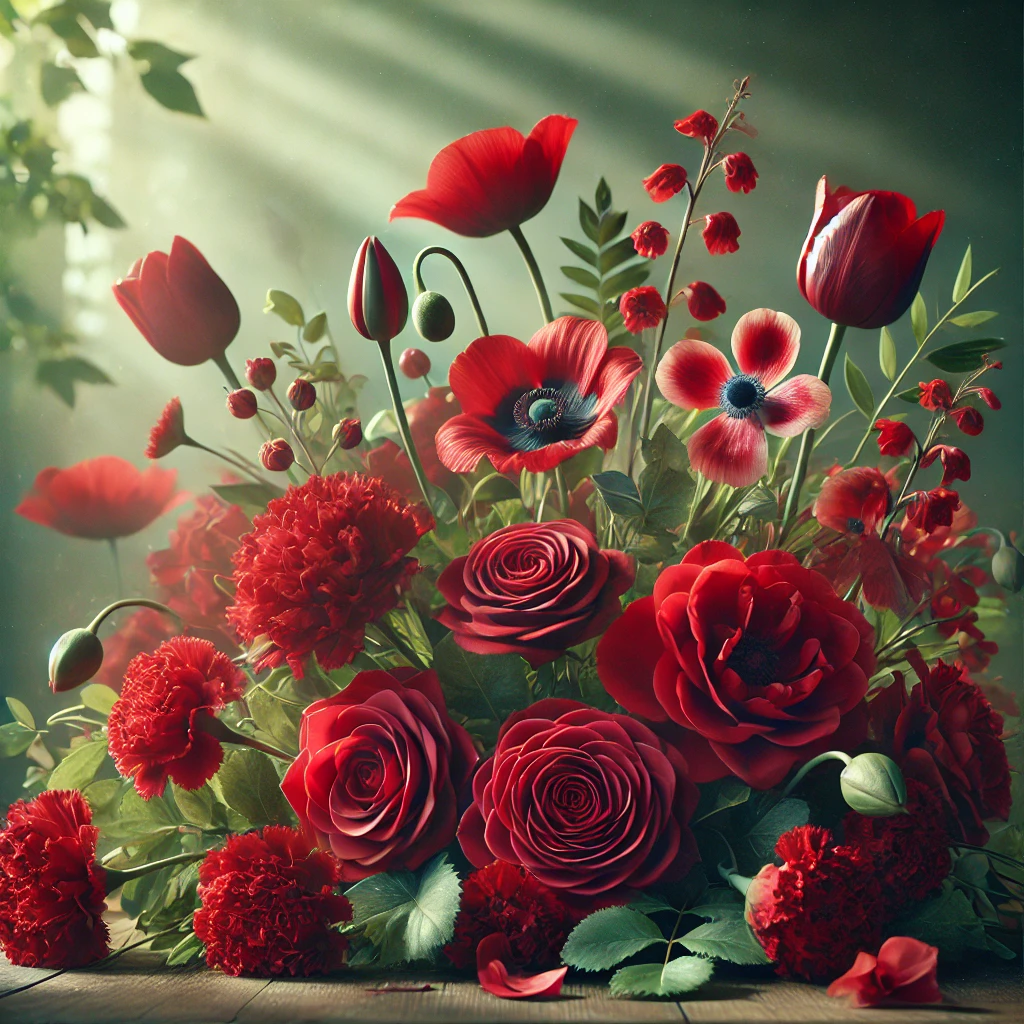
1. Roses – The Symbol of Love and Romance
Roses are timeless symbols of love, passion, and beauty. With their delicate petals and enchanting fragrance, red roses are perfect for romantic occasions like weddings and anniversaries. They thrive in well-drained soil and require full sunlight for optimal growth.
2. Tulips – Elegance and Simplicity
Tulips are elegant flowers that bring sophistication to any garden. Their smooth, cup-shaped blooms make them popular choices for spring displays. Red tulips symbolize perfect love and are easy to grow in cooler climates with well-drained soil.
3. Poppies – Remembrance and Honor
Red poppies are widely recognized as symbols of remembrance and honor, especially for military memorials. These delicate flowers bloom in late spring and thrive in sunny, dry environments, making them ideal for low-maintenance gardens.
4. Geraniums – Versatile and Hardy Garden Plants
Geraniums are known for their bright red blooms and hardiness. They are excellent for containers, hanging baskets, and borders. These versatile plants prefer sunny spots and need moderate watering to stay healthy.
5. Hibiscus – Tropical Beauty for Warm Climates
Hibiscus plants produce large, showy red flowers that add a tropical vibe to gardens. Ideal for warm climates, they require plenty of sunlight and regular watering. Hibiscus is often used in hedges, patios, and poolside landscapes.
6. Red Lilies – Exotic and Bold Blooms
Red lilies make a dramatic statement in gardens with their trumpet-shaped blooms and striking color. They are perfect for adding height and elegance to flower beds. Lilies grow best in well-drained soil with partial to full sunlight.
7. Dahlias – Dramatic and Vibrant Displays
Dahlias are known for their bold and intricate petal patterns. Red dahlias add a dramatic flair to gardens and bouquets. They bloom from summer to fall and thrive in fertile, well-drained soil with plenty of sunlight.
8. Zinnias – Low-Maintenance and Cheerful
Zinnias are cheerful, easy-to-grow flowers that bring bursts of red to gardens. They are drought-tolerant and attract butterflies, making them perfect for pollinator-friendly landscapes. Zinnias bloom abundantly in sunny spots and require minimal care.
All Types of Red Flowers List
| Flower Name | Purpose | Growth Days | Soil Type | Water Needs | Sunlight Needs | Effort Level | Bloom Season | Special Features |
|---|---|---|---|---|---|---|---|---|
| Red Roses | Romance, Weddings, Gifts | 40–50 days | Well-drained, Loamy | Moderate | Full Sun (6+ hours) | Medium | Spring to Fall | Symbol of love; widely used in bouquets. |
| Red Tulips | Elegance, Decorations | 14–21 days | Sandy, Well-drained | Low | Full Sun | Low | Early Spring | Elegant shape; ideal for indoor arrangements. |
| Red Poppies | Memorials, Landscapes | 60–80 days | Sandy, Loamy | Low | Full Sun | Low | Late Spring to Summer | Symbolizes remembrance; attracts pollinators. |
| Red Geraniums | Garden Beds, Hanging Pots | 14–21 days | Fertile, Well-drained | Moderate | Full Sun to Partial | Low | Spring to Fall | Low maintenance; perfect for container gardens. |
| Red Hibiscus | Tropical Appeal, Hedges | 90–120 days | Rich, Moist | High | Full Sun | Medium | Summer to Fall | Tropical vibe; attracts hummingbirds. |
| Red Lilies | Elegance, Bouquets | 60–90 days | Sandy, Well-drained | Moderate | Full Sun to Partial | Medium | Summer | Fragrant blooms; great for flower arrangements. |
| Red Dahlias | Dramatic Displays, Gardens | 90–120 days | Fertile, Loamy | Moderate | Full Sun | High | Mid-Summer to Fall | Large, vibrant blooms; requires staking. |
| Red Zinnias | Borders, Containers | 60–70 days | Well-drained, Loamy | Low | Full Sun | Low | Summer to Fall | Drought-tolerant; attracts butterflies. |
| Red Camellias | Winter Gardens, Ornamental | 180–210 days | Acidic, Moist | Moderate | Partial Shade | High | Late Fall to Winter | Evergreen shrubs; ideal for cool climates. |
| Red Anthurium | Indoor Décor, Gifts | 60–80 days | Moist, Well-drained | Moderate | Bright, Indirect | Medium | Year-Round Indoors | Glossy, heart-shaped leaves; popular indoors. |
| Red Chrysanthemums | Festivals, Events | 80–120 days | Well-drained, Loamy | Moderate | Full Sun | Medium | Fall | Popular for autumn displays and decorations. |
| Red Petunias | Borders, Hanging Baskets | 70–80 days | Well-drained, Sandy | Moderate | Full Sun | Low | Spring to Fall | Continuous blooms; ideal for ground cover. |
| Red Begonias | Shady Gardens, Pots | 60–90 days | Moist, Fertile | Moderate | Partial Shade | Low | Spring to Fall | Suitable for shade; vibrant and long-lasting. |
Best Growing Conditions for Red Flowers
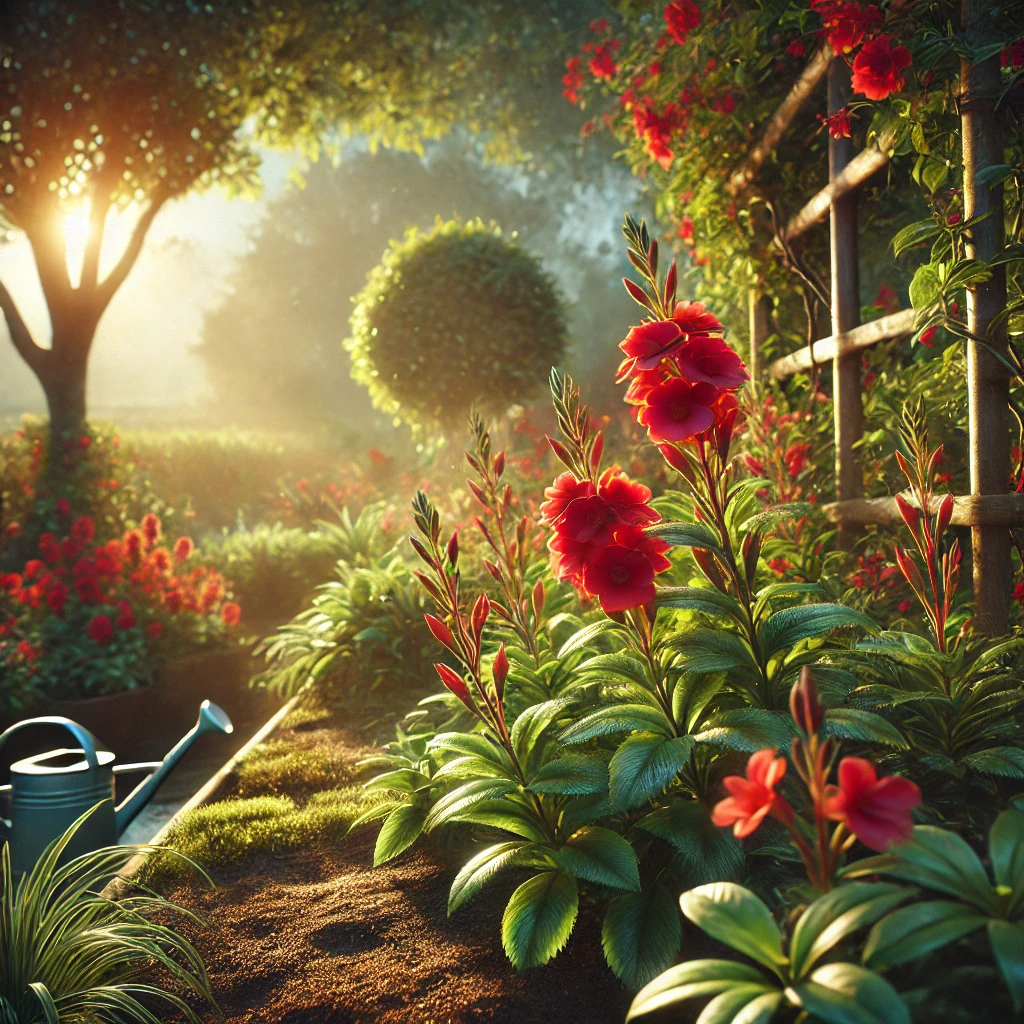
Soil Requirements: Ideal pH Levels and Soil Types
Red flowers thrive in well-drained, nutrient-rich soil. Most varieties prefer a slightly acidic to neutral pH level, ranging between 6.0 and 7.0. For optimal growth, enrich the soil with organic matter such as compost or aged manure to improve fertility and drainage. Sandy loam or loamy soil is ideal as it retains moisture while allowing excess water to drain effectively.
Sunlight Needs: Full Sun vs. Partial Shade
The majority of red flowers flourish in full sun, requiring at least 6–8 hours of direct sunlight daily. However, some varieties, like Camellias and Begonias, can tolerate partial shade, especially in regions with intense heat. Assess the light requirements of each flower type to position them in the most suitable area of your garden.
Watering Tips: Avoid Overwatering or Underwatering
Red flowers need consistent moisture to stay healthy, but overwatering can lead to root rot. Water the plants deeply, ensuring the soil remains slightly moist but not soggy. A general rule is to water 1–2 inches per week, depending on weather conditions. During dry spells, increase watering frequency, but reduce it during rainy periods to prevent waterlogging.
Fertilizer Recommendations: Boosting Healthy Growth
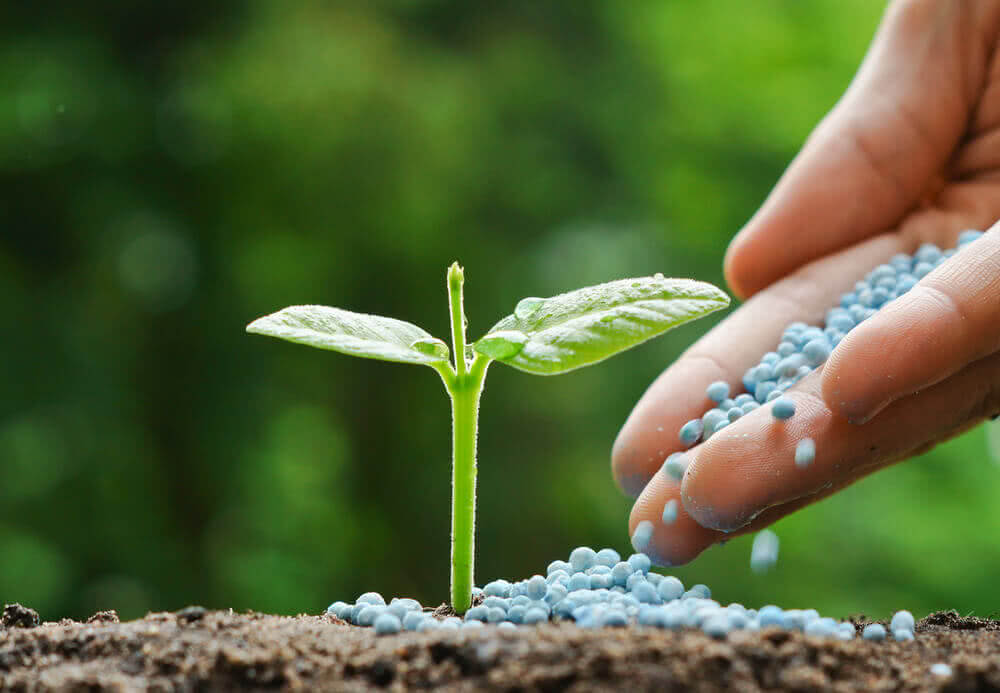
Feeding red flowers with a balanced fertilizer (e.g., 10-10-10) promotes healthy foliage and vibrant blooms. Apply fertilizer during the growing season, usually in spring and summer. Slow-release fertilizers or liquid feeds are great options to provide steady nutrients. Adding phosphorus-rich fertilizers can further enhance flower production and color intensity.
Temperature and Climate: Seasonal Considerations
Red flowers generally perform best in temperatures between 60°F and 80°F. While tropical varieties, like Hibiscus, thrive in warm climates, others, such as Tulips and Poppies, prefer cooler weather. Protect frost-sensitive plants by mulching the soil and covering them with fabric during cold spells. In hot climates, providing afternoon shade can prevent heat stress.
Landscaping and Garden Design Ideas with Red Flowers
Red Flower Borders and Edges: Defining Garden Pathways
Red flowers make excellent borders and edges along garden pathways, providing structure and visual appeal. Planting low-growing varieties like red geraniums, begonias, or zinnias along walkways can create a defined and vibrant edge that guides visitors through the garden. These flowers not only add color but also enhance the sense of organization and symmetry in garden layouts.
Creating a Focal Point: Red Flowers as Centerpieces
Bold and striking red flowers like dahlias, roses, or hibiscus can be used as focal points to draw attention. Placing them in the center of circular garden beds or around water features instantly creates a dramatic effect. These vibrant blooms can also highlight sculptures, fountains, or seating areas, adding depth and personality to outdoor spaces.
Mixed Flower Beds: Pairing Red Flowers with Complementary Colors
For a visually balanced garden, red flowers pair beautifully with complementary colors such as white, yellow, or purple. Combining red tulips with yellow daffodils or red roses with white lilies adds contrast and harmony. Mixing red blooms with green foliage plants like ferns or hostas also softens the intensity of red, creating a more natural and inviting look.
Vertical Gardens and Trellises: Climbing Red Roses and Vines
Climbing red roses and flowering vines like trumpet creepers are perfect for vertical gardens and trellises. They add height, create privacy screens, and bring a romantic feel to patios or garden walls. These vertical features are ideal for small gardens where space is limited but visual impact is desired.
Container Gardening with Red Flowers: Balcony and Patio Ideas
Red flowers thrive in containers, making them ideal for balconies, patios, and rooftop gardens. Use pots of varying sizes and shapes to display red geraniums, petunias, or anthuriums. Hanging baskets with cascading red blooms can add vertical interest, while grouped containers create vibrant focal points in small outdoor spaces.
Seasonal Planting Guide for Red Flowers
Red flowers can bloom throughout the year if planted according to their ideal seasons. This guide highlights the best red flowers for each season, ensuring your garden remains colorful all year round.
Spring Bloomers
1. Tulips
Tulips are classic spring flowers that bring elegance and charm to any garden. Available in vibrant red hues, they symbolize love and rebirth. Plant tulip bulbs in the fall for a spectacular spring display.
2. Poppies
Red poppies are known for their delicate petals and striking appearance. They thrive in sunny spots and well-drained soil. These blooms are perfect for creating vibrant flower beds in early spring.
3. Ranunculus
Ranunculus features layered petals that resemble roses. These blooms are ideal for bouquets and garden borders. Plant the bulbs in late fall or early winter for spring blossoms.
Summer Favorites
1. Hibiscus
Hibiscus flowers are tropical beauties that bloom throughout the summer. Their large, red petals add a bold statement to gardens. They prefer warm climates and full sunlight.
2. Roses
Roses are timeless and versatile flowers that bloom abundantly in summer. They need regular watering, pruning, and sunlight to produce vibrant red blooms.
3. Zinnias
Zinnias are low-maintenance flowers perfect for summer gardens. Their bright red petals attract butterflies and bees, making them ideal for pollinator-friendly landscapes.
Fall and Winter Blooms
1. Camellias
Camellias bloom during the cooler months, providing color when most plants go dormant. Their deep red petals and glossy leaves make them excellent choices for shaded areas.
2. Chrysanthemums
Chrysanthemums, or mums, are popular fall flowers that thrive in cooler temperatures. Their rich red hues create eye-catching displays in pots, borders, and garden beds.
Red Flowers for Special Occasions
Red flowers hold a timeless appeal, making them ideal for a wide range of special occasions. Their bold and vibrant hues symbolize love, passion, and remembrance, adding elegance and meaning to celebrations and ceremonies.
Wedding Bouquets and Décor: Romantic Red Arrangements
Red flowers, particularly roses, are a staple in weddings. They symbolize love and romance, making them perfect for bridal bouquets, centerpieces, and floral arches. Red tulips and carnations are also popular choices for weddings, offering elegance and sophistication. Whether used in cascading arrangements or minimalist table settings, red flowers enhance the romantic atmosphere of weddings.
Valentine’s Day Flowers: Iconic Red Roses and Tulips
Red roses are synonymous with Valentine’s Day, symbolizing deep love and affection. Tulips, with their soft petals and vibrant shades, offer a refreshing alternative. Gifting a bouquet of red flowers on Valentine’s Day is a timeless tradition that never goes out of style. Pairing red blooms with chocolates or personalized gifts makes the gesture even more meaningful.
Festive Celebrations: Christmas and Lunar New Year Decorations
Red flowers play a central role in festive celebrations. During Christmas, poinsettias and red amaryllis are popular choices, adding warmth and cheer to holiday décor. In Lunar New Year celebrations, red flowers like peonies and camellias symbolize prosperity and good fortune. These blooms are often used in decorative arrangements, enhancing the festive spirit.
Funeral Tributes: Red Poppies for Remembrance
Red poppies are widely recognized as symbols of remembrance and honor. They are often used in memorial services and funerals to pay tribute to loved ones and fallen heroes. Red roses and carnations are also appropriate for funeral arrangements, expressing respect, admiration, and love for the departed.
Caring for Red Flowers: Tips and Tricks
Pruning Techniques: Encouraging Bloom Growth
Regular pruning is essential for maintaining the health and beauty of red flowers. Trim dead or damaged stems to encourage new growth and improve airflow around the plant. Use sharp, sterilized pruning shears to make clean cuts just above a leaf node or bud. This method promotes bushier growth and ensures abundant blooms throughout the season.
Pest Control Solutions: Protecting Plants from Insects and Diseases
Red flowers can attract pests like aphids, spider mites, and caterpillars. Inspect leaves regularly for signs of damage or infestation. Use organic insecticidal soap or neem oil to treat affected plants. Introducing beneficial insects, such as ladybugs, can also help control pests naturally. To prevent fungal diseases, avoid overhead watering and ensure proper drainage.
Deadheading and Maintenance: Prolonging Bloom Cycles
Deadheading, or removing faded blooms, encourages plants to produce more flowers. Pinch off spent blooms just above the first set of healthy leaves. This practice not only keeps the plant looking tidy but also redirects energy toward new growth. Regular watering, mulching, and fertilizing further support continuous blooming.
Overwintering Red Flowers: Protecting Plants in Cold Climates
For red flowers that cannot withstand frost, take steps to protect them during winter. Potted plants can be brought indoors, while garden plants can be covered with mulch or frost blankets. Perennials may benefit from pruning in late fall and adding a layer of compost to insulate roots. For tender plants, consider replanting in the spring to ensure their survival.
Red Flowers for Indoor Displays
Red flowers are not just for outdoor gardens—they also make stunning indoor displays, adding warmth, elegance, and vibrancy to any space. Whether displayed in pots, vases, or DIY projects, these blooms can brighten interiors and create a welcoming atmosphere.
Best Red Flowers for Indoor Pots
- Anthurium (Flamingo Flower)
- Known for its glossy, heart-shaped red spathes, Anthurium is a low-maintenance indoor plant that thrives in bright, indirect light.
- Its long-lasting blooms make it a popular choice for home décor.
- Gerbera Daisies
- With bold, cheerful petals, Gerbera daisies are perfect for tabletops and shelves.
- They need moderate sunlight and regular watering to stay vibrant indoors.
- Bromeliads
- Featuring tropical red bracts, bromeliads are exotic plants that thrive in humidity.
- They are ideal for bathrooms or kitchens, where moisture levels are higher.
- Begonias
- Compact and colorful, begonias are easy-to-care-for indoor plants that bloom beautifully in partial sunlight.
- Their lush foliage and red blooms make them a versatile option for indoor spaces.
- Amaryllis
- Popular during the holiday season, amaryllis produces large red blooms that make striking centerpieces.
- It requires bright light and well-drained soil.
Floral Arrangements and Centerpieces
Red flowers are timeless choices for floral arrangements and centerpieces. Their rich color creates visual drama, making them ideal for weddings, parties, and formal gatherings.
- Classic Vase Arrangements: Combine red roses with white lilies or baby’s breath for a romantic centerpiece.
- Table Centerpieces: Use a mix of red gerbera daisies and tulips in glass vases to create modern, eye-catching designs.
- Seasonal Displays: Incorporate red poinsettias during the holidays for a festive touch.
DIY Projects with Red Flowers
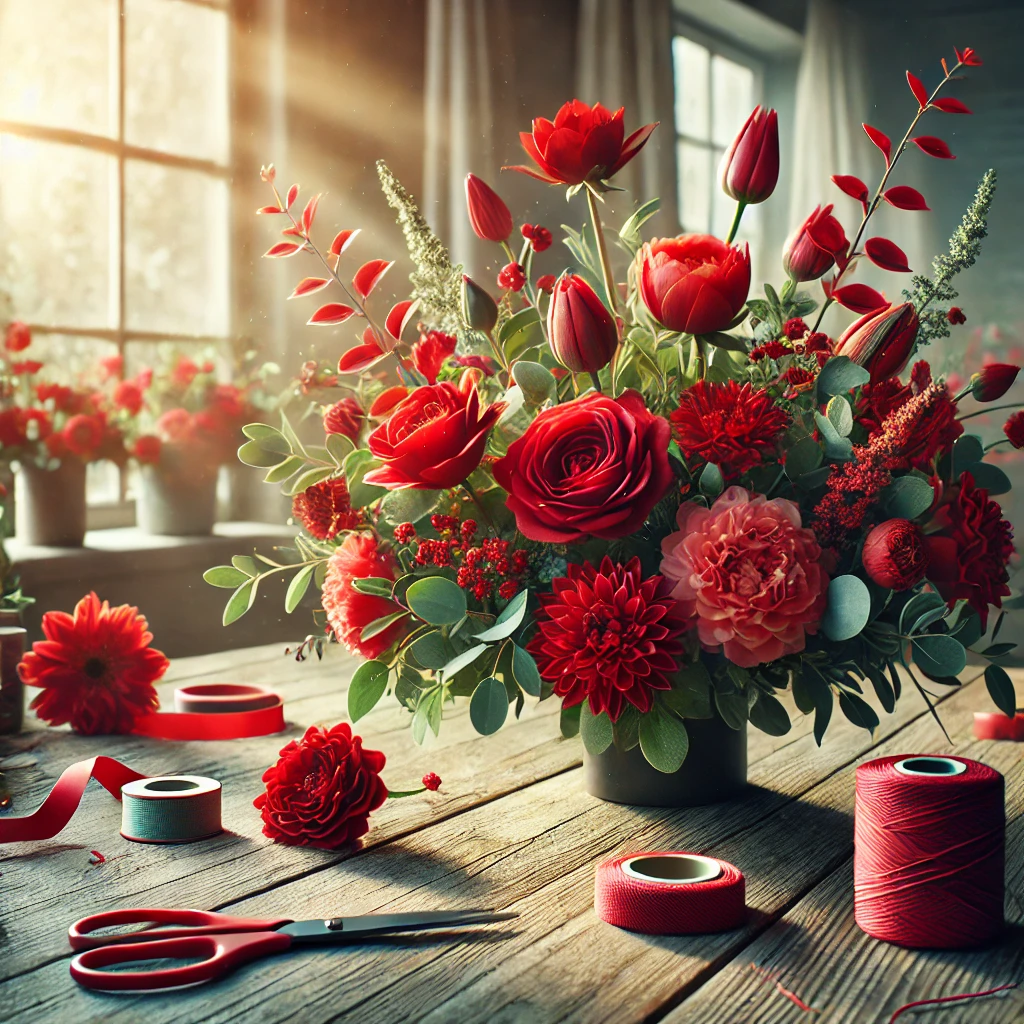
Red flowers can be used creatively in DIY projects to add beauty to your home décor.
- Wreaths: Create a stunning wreath with dried red roses, berries, and greenery for door decorations.
- Bouquets: Design hand-tied bouquets using red carnations and tulips for gifting or home display.
- Pressed Flowers: Preserve red petals to make bookmarks, framed art, or greeting cards.
- Floral Jars: Fill mason jars with red blooms and fairy lights for charming decorative accents.
Frequently Asked Questions (FAQs) About Red Flowers
What are the most popular red flowers for gardens?
Popular red flowers for gardens include roses, tulips, poppies, hibiscus, geraniums, dahlias, and lilies. These flowers are known for their vibrant color and ease of cultivation, making them ideal choices for enhancing garden aesthetics.
How do I keep red flowers blooming longer?
To prolong blooming, regularly deadhead faded flowers, provide proper watering, and fertilize with a balanced plant food. Ensure the plants receive adequate sunlight and protect them from pests and diseases for continuous growth.
Are red flowers easy to grow indoors?
Yes, several red flowers, such as anthuriums, begonias, and gerbera daisies, thrive indoors. They require well-drained soil, indirect sunlight, and consistent moisture to grow successfully inside homes.
What plants pair well with red flowers in gardens?
Red flowers pair beautifully with white, yellow, and purple blooms, such as daisies, marigolds, and lavender. Green foliage plants like ferns and hostas also complement red flowers, creating a balanced and visually appealing garden.
Do red flowers attract pollinators like bees and butterflies?
Yes, red flowers are highly attractive to pollinators, including bees, butterflies, and hummingbirds. Their bright colors and nectar-rich blooms make them an excellent choice for pollinator-friendly gardens.
Which red flowers are drought-tolerant?
Drought-tolerant red flowers include red yucca, blanket flower (Gaillardia), red salvia, and zinnias. These plants require minimal watering and are perfect for xeriscaping or dry climates.
What is the name of red flower?
Red flowers come in various types, including roses, tulips, poppies, hibiscus, and geraniums. Each type has its unique characteristics, symbolism, and growing requirements.
Why do British wear red flowers?
The British wear red poppies as a symbol of remembrance for soldiers who died in wars, especially during Remembrance Day. This tradition started after World War I, inspired by the poem “In Flanders Fields.”
Which flowers are red in color?
Flowers that are red in color include roses, tulips, poppies, dahlias, anthuriums, amaryllis, carnations, gerbera daisies, and poinsettias. These flowers are widely used in gardens, bouquets, and decorative arrangements.
Conclusion
Red flowers are a timeless symbol of beauty, passion, and elegance, making them an excellent choice for gardens, floral arrangements, and special occasions. From classic roses and tulips to exotic hibiscus and dahlias, red flowers offer a wide variety of options to suit different tastes and landscaping needs.
Key Takeaways:
- Red flowers symbolize love, strength, and celebration, making them perfect for personal and decorative use.
- Popular red flower types include roses, poppies, geraniums, and lilies, each with unique characteristics and growing requirements.
- Proper care, including adequate sunlight, watering, and fertilization, ensures vibrant blooms and long-lasting beauty.
- Red flowers can be used in mixed borders, container gardening, and indoor displays to create striking visual appeal.
Final Tips for Success:
- Choose red flower varieties that thrive in your local climate and soil conditions.
- Pair red blooms with complementary colors like white, yellow, or green for balanced and attractive designs.
- Regular maintenance, such as pruning and pest control, will keep your red flowers healthy and blooming.
Transform Your Garden Today!
Start adding red flowers to your garden to create eye-catching landscapes and meaningful floral displays. With proper care and thoughtful design, your garden can become a vibrant oasis filled with beauty and life.