
Japanese maple trees (Acer palmatum) are renowned for their stunning foliage and graceful appearance, what is the flowering time of a japanese maple, making them a favorite in gardens and landscapes. While their leaves often steal the spotlight, their delicate flowers also add charm during the blooming season.
Understanding the flowering time of Japanese maples is essential for gardeners who wish to enhance their beauty and maintain their health. This guide explores when Japanese maples bloom, what influences their flowering cycle, and how to care for them to encourage healthy growth and vibrant blossoms.
Japanese Maple Growth and Flowering Basics
Table of Contents
Key Characteristics of Japanese Maple Trees
Japanese maple trees (Acer palmatum) are deciduous trees native to Japan, Korea, and China. They are widely admired for their ornamental value, featuring:
- Distinctive Leaves – Palmate leaves with vibrant colors ranging from green to deep red, purple, and gold.
- Compact Growth – Typically growing between 10–25 feet tall, though some varieties remain smaller as shrubs.
- Seasonal Appeal – Known for striking autumn foliage and subtle spring blooms.
General Timeline for Growth and Flowering
Japanese maples experience a gradual growth cycle and follow this timeline:
- Early Spring: Buds begin to swell, and leaves emerge.
- Late Spring to Early Summer (May–June): Flowering occurs, with small red or purple clusters adding subtle beauty.
- Summer: Leaves reach peak growth, and seeds (samaras) begin to develop.
- Fall: Leaves change color before dropping as the tree prepares for dormancy.
- Winter: The tree enters a resting phase, conserving energy for the next season.
Factors Influencing Flowering
Several factors can impact when and how Japanese maples bloom:
- Tree Age and Maturity:
- Seed-grown trees may take 10–20 years to produce flowers.
- Grafted or cultivated varieties may bloom earlier, within 5–6 years.
- Climate and Temperature:
- Mild climates with consistent seasonal changes promote healthy flowering.
- Late frosts can damage buds and delay blooming.
- Soil and Moisture Levels:
- Well-drained, slightly acidic soil supports healthy root development.
- Adequate watering without waterlogging is essential for bloom production.
- Sunlight Exposure:
- Partial shade to full sun encourages blooming, but excessive shade may reduce flower production.
- Pruning and Care:
- Proper pruning during dormancy improves airflow and light penetration, encouraging blooms.
- Over-pruning can stress the tree and inhibit flowering.
By understanding these growth patterns and influencing factors, gardeners can create ideal conditions for Japanese maples to thrive and produce beautiful blossoms.
List of Japanese Maple Names
| Japanese Maple Name | Description | Leaf Color | Growth Habit |
|---|---|---|---|
| Bloodgood | Popular variety with deep red foliage and a classic upright form. | Deep red to burgundy | Upright |
| Emperor I | Similar to Bloodgood but leafs out later, avoiding frost damage. | Deep red | Upright |
| Crimson Queen | Weeping variety with finely cut, lacy leaves. | Crimson red | Cascading/Weeping |
| Coral Bark (Sango Kaku) | Noted for its bright coral-red bark in winter. | Light green, turning yellow | Upright |
| Autumn Moon | Hybrid known for stunning yellow to orange leaves. | Yellow to orange | Upright |
| Fireglow | Compact version of Bloodgood with vibrant red foliage. | Bright red | Upright |
| Tamukeyama | Weeping type with deeply dissected leaves. | Purple-red to crimson | Cascading/Weeping |
| Garnet | Low-growing, weeping variety with finely cut leaves. | Rich garnet red | Cascading/Weeping |
| Orange Dream | Known for bright orange leaves in spring that turn lime green in summer. | Orange to lime green | Upright |
| Seiryu | Unusual upright lace-leaf variety with fine, feathery foliage. | Light green, golden in fall | Upright |
| Viridis | Graceful weeping variety with bright green foliage. | Bright green, yellow in fall | Cascading/Weeping |
| Moonrise | Compact tree with bright red leaves in spring that fade to green. | Red to green | Upright |
| Inaba Shidare | Weeping variety with dark red, deeply lobed leaves. | Dark red to purple | Cascading/Weeping |
| Shishigashira (Lion’s Head Maple) | Dense and compact with curled, crinkled leaves. | Green, turning golden in fall | Upright |
| Red Dragon | Lace-leaf variety with vibrant red foliage all season. | Deep red | Cascading/Weeping |
When Do Japanese Maples Flower?
Typical Blooming Season
Japanese maples typically flower in late spring to early summer, with most varieties beginning to bloom between May and June. The exact timing may vary depending on the specific variety, location, and climate conditions.
Duration of Blooming
The flowering period of Japanese maples is relatively short, lasting about 2 to 3 weeks. During this time, small, delicate flowers appear in clusters. These blooms are often red, purple, or yellow, complementing the vibrant foliage of the tree.
Differences in Flowering Times Based on Regions and Climates
- Warmer Climates (USDA Zones 7–9): Flowering may start earlier, sometimes in late April or early May due to milder winters and an earlier growing season.
- Colder Climates (USDA Zones 5–6): Flowering may be slightly delayed, occurring in late May or early June as trees recover from dormancy.
- High-Altitude Areas: Cooler temperatures can further delay blooming by a few weeks, pushing it into mid-to-late June.
While Japanese maple flowers are subtle and often overlooked, they add charm to the tree during this brief blooming period before transitioning focus to the tree’s vibrant summer foliage.
Age and Maturity: When Does a Japanese Maple Start Flowering?
Flowering Age
Japanese maples generally begin flowering at an average age of 5–6 years. However, the exact timeline depends on factors such as:
- Growth Conditions – Trees grown in ideal soil, sunlight, and moisture conditions may flower earlier.
- Variety and Cultivation Method – Some cultivated or grafted varieties can bloom within 3–5 years, while seed-grown trees may take 10–20 years to reach maturity and produce flowers.
Influence of Seed Propagation vs. Grafting
- Seed Propagation:
- Trees grown from seeds often take longer to flower because they must establish strong root systems and structural growth before producing blooms.
- These trees may also show slight genetic variations, leading to differences in flowering time.
- Grafting:
- Grafted Japanese maples, where branches from mature flowering trees are attached to rootstock, tend to flower sooner—sometimes as early as 3–4 years.
- Grafting ensures consistency in flowering time, color, and overall tree characteristics.
Early Flowering Tips for Bonsai Enthusiasts
- Container Growth: Bonsai trees grown in containers often develop faster due to controlled soil, watering, and nutrients, promoting earlier flowering.
- Pruning Techniques: Regular pruning can direct energy toward branch and flower bud production instead of excessive foliage growth.
- Fertilization: Using a balanced fertilizer with higher phosphorus content (for blooms) can encourage earlier flowering.
- Light Exposure: Ensuring adequate sunlight, especially during spring, helps bonsai maples develop buds earlier than outdoor trees.
By understanding the flowering age and methods to accelerate blooming, gardeners and bonsai enthusiasts can enjoy the elegant blossoms of Japanese maples even in younger trees.
Types of Flowers on Japanese Maples
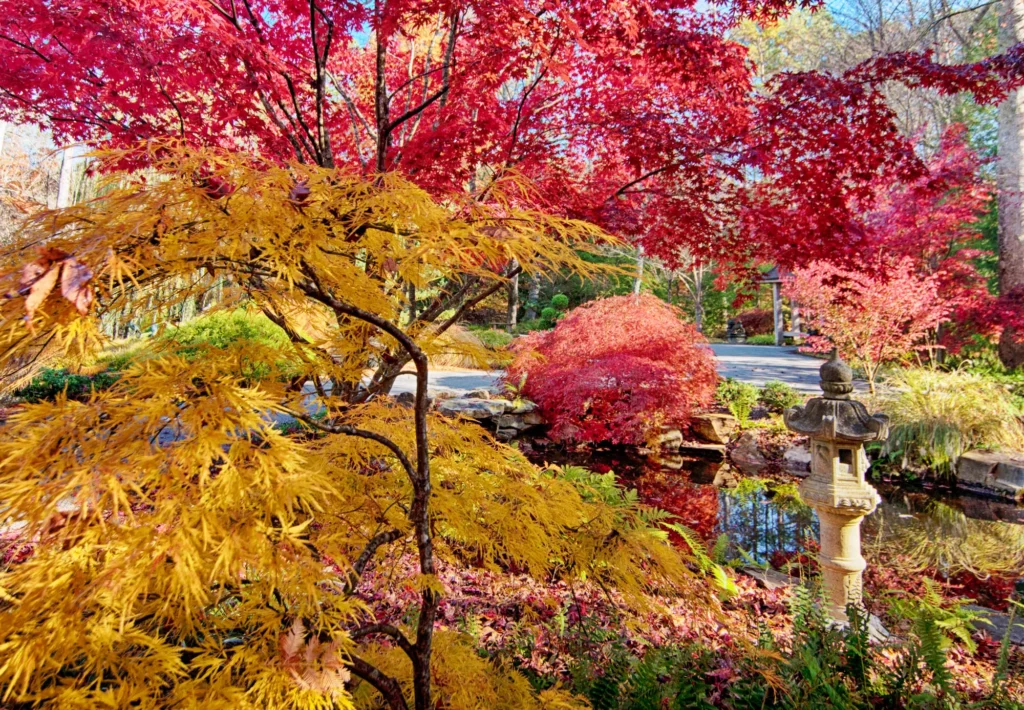
Japanese maples produce subtle yet elegant flowers that often go unnoticed due to their small size and delicate appearance. Despite their understated nature, these blooms contribute to the tree’s ornamental appeal and play a role in supporting pollinators.
Description of Flowers
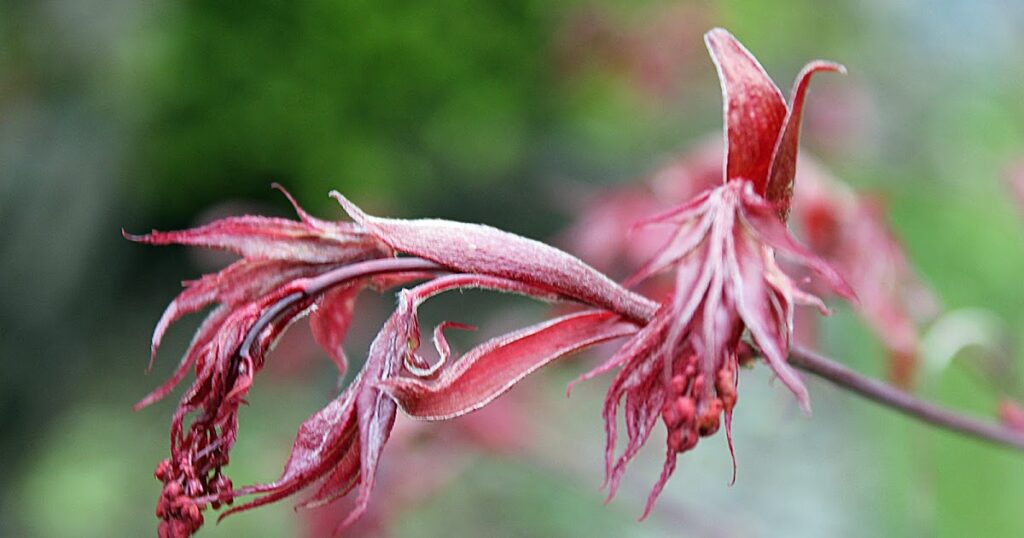
Japanese maple flowers typically appear in small clusters, with colors ranging from red to purple. The blossoms hang on slender stems, creating a graceful look that complements the tree’s vibrant foliage. Each flower consists of tiny petals surrounding a central stamen, giving them a star-like appearance.
Male and Female Flowers
Japanese maples are monoecious, meaning both male and female flowers can be found on the same tree. Male flowers contain stamens, responsible for producing pollen, while female flowers feature pistils, which develop into winged seeds (samaras) after pollination.
- Male Flowers – Often more abundant and slightly more noticeable.
- Female Flowers – Fewer in number but essential for seed production.
Importance for Pollinators
While Japanese maple flowers are not as showy as other ornamental blooms, they attract pollinators such as bees and butterflies. These insects play a vital role in pollination, ensuring seed development and contributing to the tree’s natural propagation.
The combination of subtle blooms and vibrant leaves makes Japanese maples a year-round highlight in gardens, providing visual interest and ecological benefits.
Factors Affecting Flowering Time
Environmental Conditions
Japanese maples thrive in temperate climates with moderate temperatures. Their flowering time can be influenced by:
- Temperature: Warm spring weather promotes earlier blooming, while late frosts can delay or damage flowers.
- Sunlight: Partial sunlight (4–6 hours daily) encourages healthy growth and flowering. Too much shade can reduce bloom production.
- Moisture Levels: Consistent watering ensures adequate hydration, but overwatering may lead to root rot, impacting flower formation.
Soil Quality and Fertilization
Healthy soil enriched with organic matter supports flowering.
- Soil Type: Well-draining, slightly acidic to neutral soil (pH 5.5–7.0) is ideal.
- Nutrients: Phosphorus-rich fertilizers encourage flower development, while nitrogen-heavy fertilizers promote leaf growth at the expense of blooms.
Pruning and Care Practices
Pruning plays a vital role in shaping the tree and influencing flowering cycles.
- Timing: Light pruning during late winter or early spring helps direct energy toward flower and leaf production.
- Techniques: Removing dead or weak branches improves airflow and reduces disease risks, promoting healthier blooms.
Tree Health and Stress Factors
Stress caused by environmental changes, pests, or diseases can hinder flowering.
- Pests and Diseases: Aphids and fungal infections may damage buds and leaves, affecting flowering.
- Transplant Shock: Moving a tree to a new location may delay blooms until roots re-establish.
- Protection: Mulching and covering the base during harsh winters prevent frost damage to roots and buds.
By maintaining optimal conditions and providing proper care, gardeners can ensure their Japanese maples bloom beautifully each year.
Enhancing Flowering in Japanese Maples
Promoting healthy blooms in Japanese maples requires proper care and attention throughout the year. Implementing the following strategies can significantly improve flowering and overall tree health:
1. Proper Watering Schedules
- Ensure consistent moisture, especially during the growing season.
- Water deeply but avoid waterlogging, as Japanese maples prefer well-drained soil.
- Mulch around the base to retain moisture and regulate soil temperature.
2. Seasonal Pruning Techniques
- Prune during late winter or early spring before new growth begins.
- Remove dead or damaged branches to enhance air circulation and sunlight penetration.
- Avoid excessive pruning, as it can stress the tree and reduce flower production.
3. Using Fertilizers Rich in Phosphorus
- Apply a balanced fertilizer in early spring to support growth.
- Use fertilizers high in phosphorus (such as 10-20-10) to promote root development and flowering.
- Avoid excessive nitrogen, which encourages foliage growth at the expense of blooms.
4. Protecting Trees from Frost Damage During Spring
- Cover young trees with burlap or frost blankets during unexpected cold snaps.
- Mulch around the roots to insulate against temperature fluctuations.
- Position trees in sheltered locations to protect them from harsh winds.
Seasonal Care Tips for Flowering Japanese Maples
Spring Preparation
- Soil Enrichment: Apply organic compost or well-balanced fertilizers to improve soil quality and nutrient availability. This helps promote healthy root growth and prepares the tree for flowering.
- Mulching: Add a 2–3 inch layer of mulch around the base to retain moisture, regulate soil temperature, and prevent weed growth. Avoid direct contact with the trunk to prevent rot.
Summer Maintenance
- Watering: Maintain consistent soil moisture, especially during dry spells. Water deeply but avoid overwatering, as Japanese maples prefer well-drained soil.
- Pest Control: Check for aphids, scale insects, or mites that can damage foliage and buds. Use neem oil or insecticidal soap as needed.
Fall Preparations
- Pruning: Remove dead, damaged, or overcrowded branches to improve air circulation and shape the tree. Pruning in fall minimizes stress and supports healthy flowering next season.
- Cleaning Debris: Clear fallen leaves and branches to prevent fungal infections and pest infestations.
Winter Protection
- Frost Guards: Shield young or potted trees from frost by wrapping them in burlap or using frost cloths.
- Insulation: Apply extra mulch around the roots to insulate against freezing temperatures. For potted maples, move them to sheltered areas like patios or garages during harsh winters.
Frequently Asked Questions (FAQs) About what is the flowering time of a japanese maple
How often do Japanese maples flower?
Japanese maples typically flower once a year, usually in late spring to early summer. The flowering period lasts for a few weeks, depending on the climate and tree health.
Can Japanese maples bloom twice in a year?
No, Japanese maples generally do not bloom twice in a year. They follow a single flowering cycle during the growing season.
Do all Japanese maples produce flowers?
Yes, all Japanese maples produce flowers. However, their blooms are often subtle and not as showy as their foliage, which is why many gardeners may overlook them.
Why isn’t my Japanese maple flowering?
Lack of flowering can result from insufficient sunlight, poor soil conditions, improper pruning, or environmental stress. Ensuring proper care, fertilization, and pruning can help encourage blooming.
How can I speed up the flowering process?
To promote flowering, provide adequate sunlight, use phosphorus-rich fertilizers, and ensure the soil is well-drained and nutrient-rich. Pruning during the dormant season can also stimulate growth and flower production.
Are Japanese maple flowers fragrant?
Japanese maple flowers are generally not fragrant. They are admired more for their visual appeal than their scent.
When should Japanese maple bloom?
Japanese maples usually bloom in late spring, from May to June, depending on the climate and growing conditions.
What will make a Japanese maple grow faster?
To promote faster growth, plant Japanese maples in well-drained soil with partial sunlight, water regularly, and use balanced fertilizers. Avoid over-pruning and protect the tree from frost damage.
What is the flower color of Japanese maples?
Japanese maple flowers can vary in color, typically ranging from red and purple to subtle pink hues. The color depends on the specific cultivar.
What do Japanese maple flowers look like?
Japanese maple flowers are small and delicate, often appearing in clusters. They have a star-like structure and are typically red or purple, adding a subtle elegance to the tree.
Do Japanese maples flower?
Yes, Japanese maples do flower, although their blooms are less prominent compared to their vibrant foliage.
What is the fruit of a Japanese maple?
After flowering, Japanese maples produce winged seeds called samaras. These seeds often appear in pairs and resemble small helicopters when they fall.
What are some flowering Japanese trees similar to Japanese maples?
Flowering trees similar to Japanese maples include dogwoods, cherry blossoms, and redbuds, all known for their ornamental blooms.
What are the pros and cons of Japanese maples?
Pros:
- Attractive foliage with seasonal color changes.
- Compact size, suitable for small gardens.
- Easy maintenance with minimal pruning needs.
- Adds elegance to landscapes and patios.
Cons:
- Sensitive to extreme weather and frost.
- Requires well-drained soil and consistent moisture.
- Susceptible to pests like aphids and diseases like verticillium wilt.
Conclusion
Japanese maples are prized for their graceful beauty and seasonal charm, with their delicate flowers adding an extra layer of elegance during late spring to early summer. While their blooms may be subtle, understanding their flowering time and care requirements is key to maintaining their health and enhancing their visual appeal.
To ensure vibrant and healthy Japanese maples:
- Provide adequate sunlight and well-drained, nutrient-rich soil.
- Water regularly but avoid overwatering to prevent root rot.
- Use phosphorus-rich fertilizers to promote flowering.
- Prune during the dormant season to encourage growth and shape.
- Protect the tree from frost damage, especially in early spring.
By following these best practices, gardeners can enjoy the stunning foliage and charming flowers of Japanese maples year after year. Whether grown as standalone specimens, bonsai trees, or landscape features, Japanese maples remain a timeless addition to any garden.
For those looking to add beauty and elegance to their outdoor spaces, Japanese maples offer a rewarding experience with proper care and attention. Implement the tips shared in this guide to keep your tree thriving and blooming season after season.